Going Back to What Future?!

“GREAT SCOTT!!”

Christopher Lloyd as Doc in Back to the Future
Sometimes change is linear, measured and metronomic; a subtle dance between progress and regress. But changes can also be abrupt, massive and meteoric. Those of us who have lived through large scale natural disasters, such as the Christchurch earthquakes of 2010 and 2011, know this all too well. It’s not uncommon for significant changes to abruptly occur that affect a distinct region or country. But it’s rare for these to occur nearly simultaneously on a global scale as is the case with the COVID-19 pandemic.

Our ability to adapt rapidly to abrupt changes is flawed to a degree. We have primal ‘lizard brain’ responses to immediate dangers and fears, and far more elaborate and slow emotional changes. Right now, we can see state changes occurring daily in individuals, and indeed entire nations, as people move through various phases of denial and resistance before crossing a threshold and moving towards acceptance and action. I’m no exception to the rule, but it’s distressing to see some significant leaders struggle spectacularly in these moments of crisis. History will judge them in time for their actions; both the adept and the inept. Thousands are already dying as different countries wrestle between saving lives, or saving economies.

The Spanish Flu of 1918 wiped out approximately 3% of the global population. Nations and individuals weakened by World War 1 were hit hard, and especially the poor and disenfranchised. The current pandemic will also be a litmus test of discrimination and disparity, and it will be a brutal exposing of institutionalised inequality. For every Allan Merrill (Joan Jett’s guitarist and co-writer of “I love Rock’n’Roll”) there will be thousands of others who are lost without fanfare to this world and to their loved ones. We are only really getting started on what may be the most fundamental shift in collective modern social dynamics and behaviours. This won’t be over quickly, and the ‘normal’ life we return to on the other side won’t quite be the same.

Jim Collins, in his definitive work “Good to Great”, brought the notion of the Stockdale Paradox to light. James Stockdale, a US Navy Admiral imprisoned for 7 years during the war in Vietnam, observed that it was the optimists who tended to die first. Those who had their hearts on fixed dates of imagined release tended to die of disappointment when their imagined release did not eventuate by that Christmas, or this birthday. Those who held to an unconditional principles centered on the belief of eventual freedom but focused on the day by day challenge of survival were more likely to make it. As a natural optimist myself this is cause for consideration.

So how do we steel ourselves for the long haul? What lessons for the better can we take from the current chaos in play? And most importantly, to what version of the future do we want to return to?

No matter which way we look at it, there is no going back to the way things were before. The world has shifted. Cruise ships, international flights, open borders and other bastions of personal global freedom may never recover to the same level. Most countries will end up with various versions of voluntary or mandatory lockdowns that last beyond 6 weeks. This is a critical point, as this corresponds to the typical amount of time that it takes humans to adjust and adapt to new behaviours. Getting people to adhere to workout routines, diets or personal habit changes that last beyond the 6 week mark to become a new part of patterned behaviour is a significant milestone. Usually people overachieve against a previous norm in the first 2-3 weeks, and then adopt only a few behaviours that remain beyond the 6 week measure.

How will our patterns of behaviour be changed in the coming weeks? The structure of work and school may have shifted. The ability to have a global virtual presence without poisoning the environment with excessive travel should hopefully gain more social currency. Learning to be productive as individuals and groups from home to reduce mindless ‘groundhog day’ commuting should hopefully become more normative for those who can work through digital communications. Having less cars on the roads is better for cycling, which increases personal and community health. Being more involved in our kids learning, and teaching them the critical importance of how to use facts in a post-truth world is perhaps our greatest calling right now.

So wherever you are, whoever you are; stay safe, stay sane, and spend some time re-imagining and creating a future that is more kind to yourselves, your communities and to the natural worlds that we inhabit.

Junior Ranger Report Team #3. Scott

Tiny Pinecone Land (Sequoia National Park)
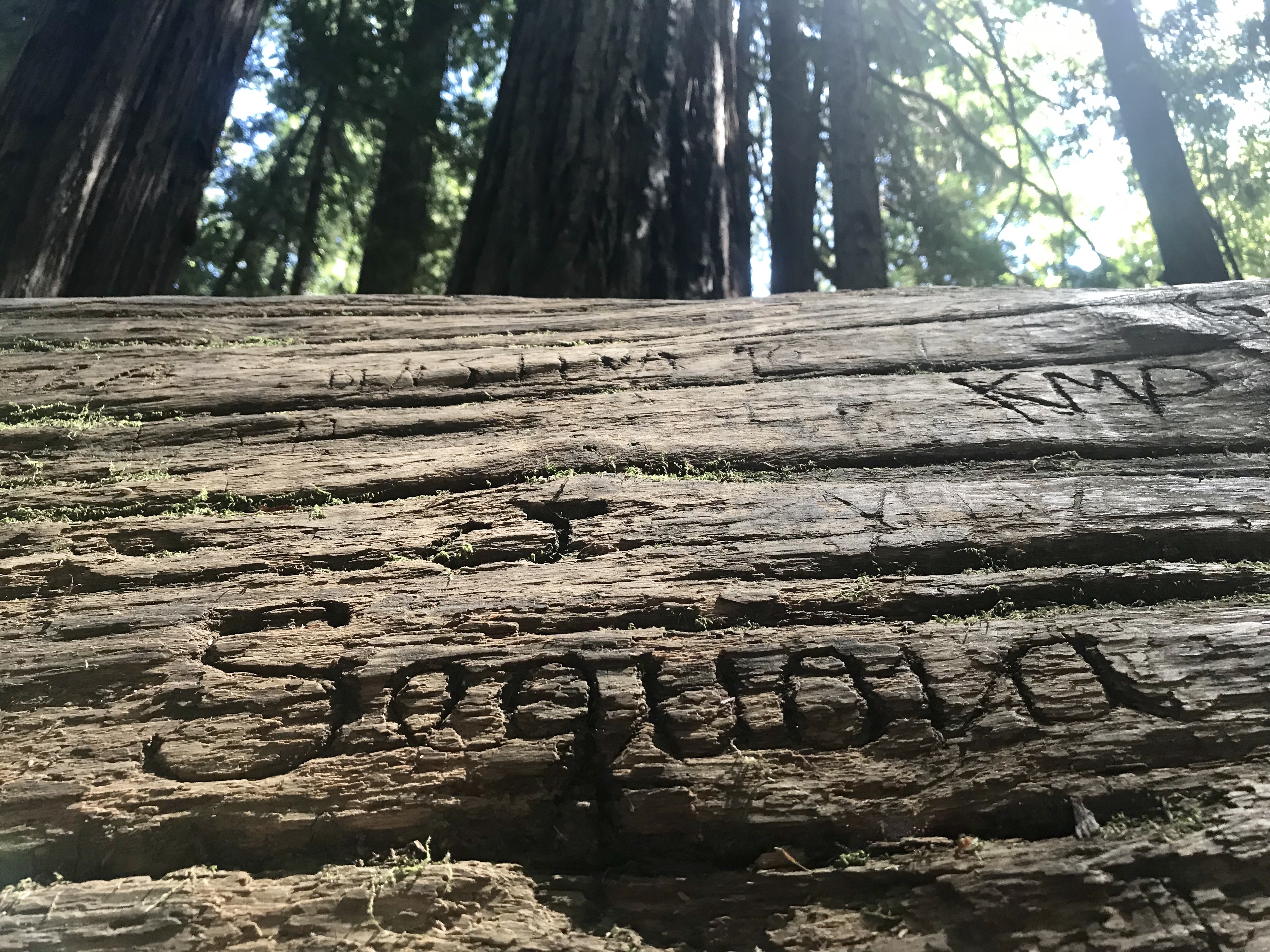
Welcome to the land of tiny pinecones and humumgous trees! We went on a trail and saw the General Sherman sequoia tree, and we also saw lots of other sequoia trees like a tree that was struck by lightning and the only remains was some bark! Then we went back to the campground and went for a swim in the river and then we went on a night sky ranger talk. We also saw the Milky Way!  
After we went Sequoia, we went to Death Valley! Death Valley can get up to 120 degrees Fahrenheit! We went on a walk in Golden Canyon. It was sooooooo hooooot!!
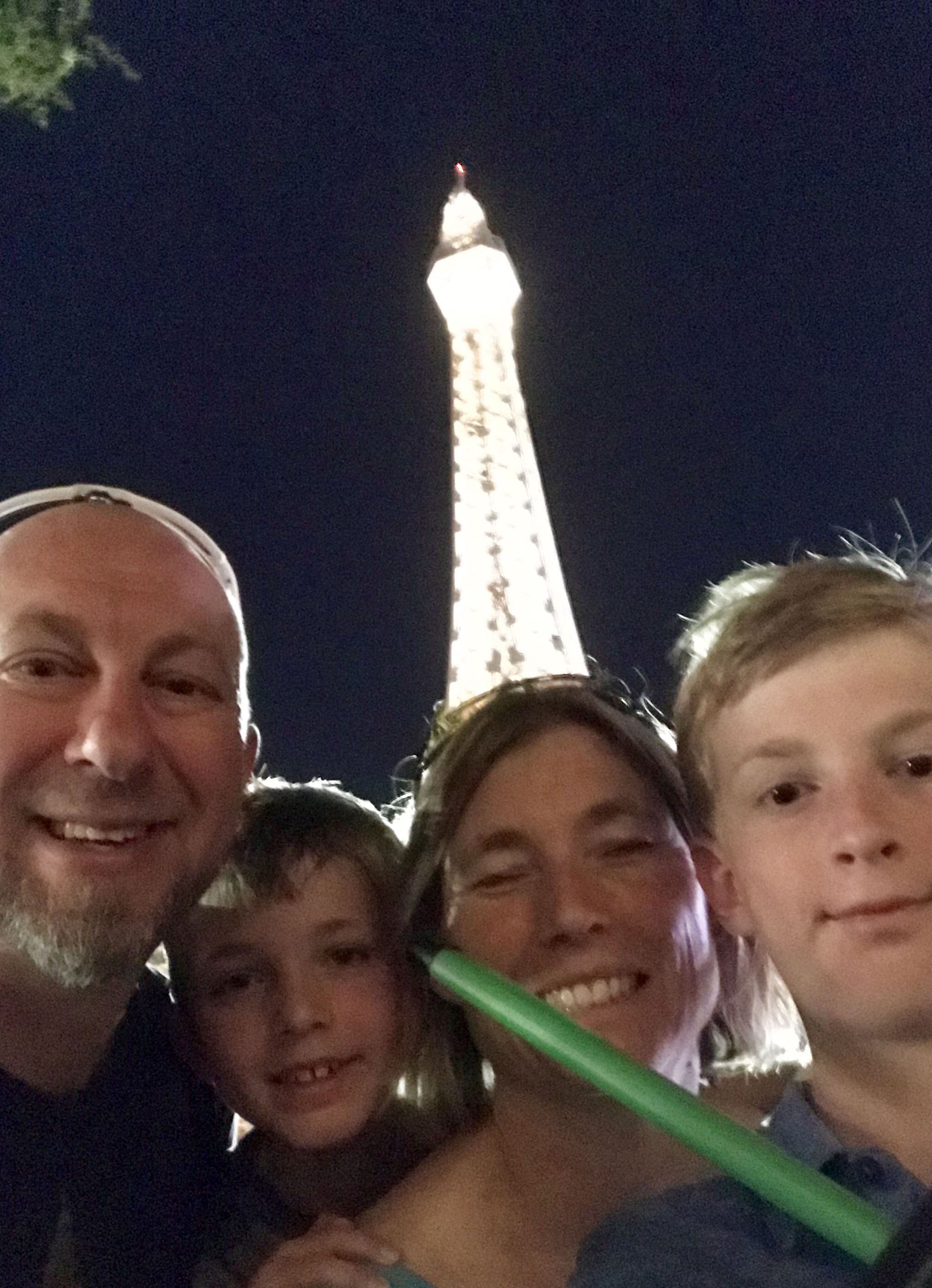
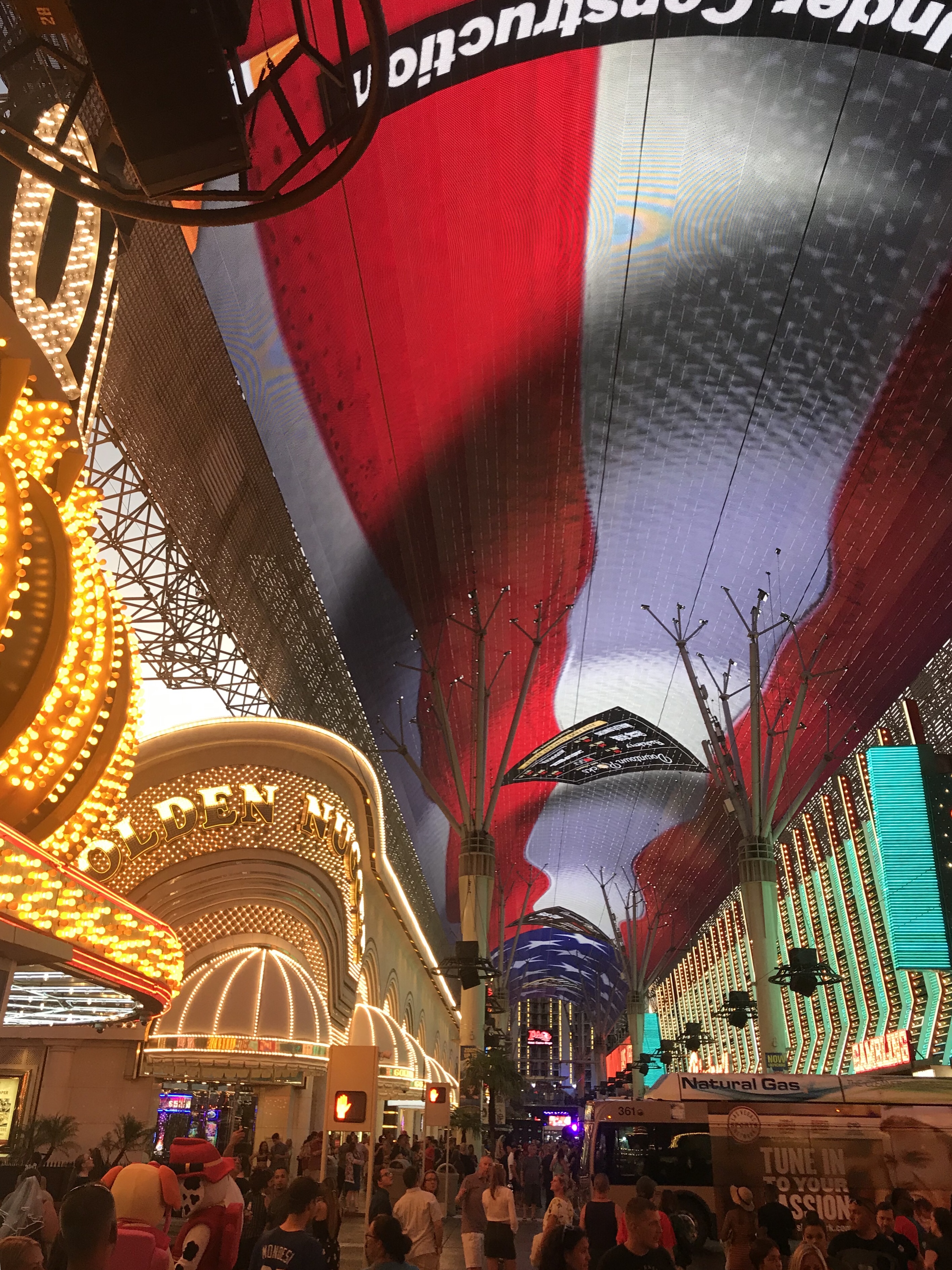
Then we went to Las Vegas! When we arrived in Vegas we went to Circus Circus where we saw a show with a guy that was super good at balancing! Then we went to the Adventuredome! In the Adventuredome there are some inside roller coasters an arcade and much more! Mum and dad said me and Josh could go in the arcade area it was really fun, they had all kinds of games. Sadly we left Circus Circus and walked the Vegas Boulevard. On the Boulevard we saw the Mirage (a volcano if you’re wondering) it was awesome! We also saw the Vegas version of the Eiffel Tower. The next day we saw the biggest TV screen in the world it was huge, and it wasn’t even complete!
Then we went to Zion. In Zion we went on a trail called The Narrows and the whole time my pants were soaking wet because we were walking in a river. After that we hopped on the shuttle bus and kept stopping at places all the way back to the campground. The next day we climbed Angels Landing, at the top there’s a part with some chains to hold on to. It was awesome! On the way down we stopped at a river to cool off.

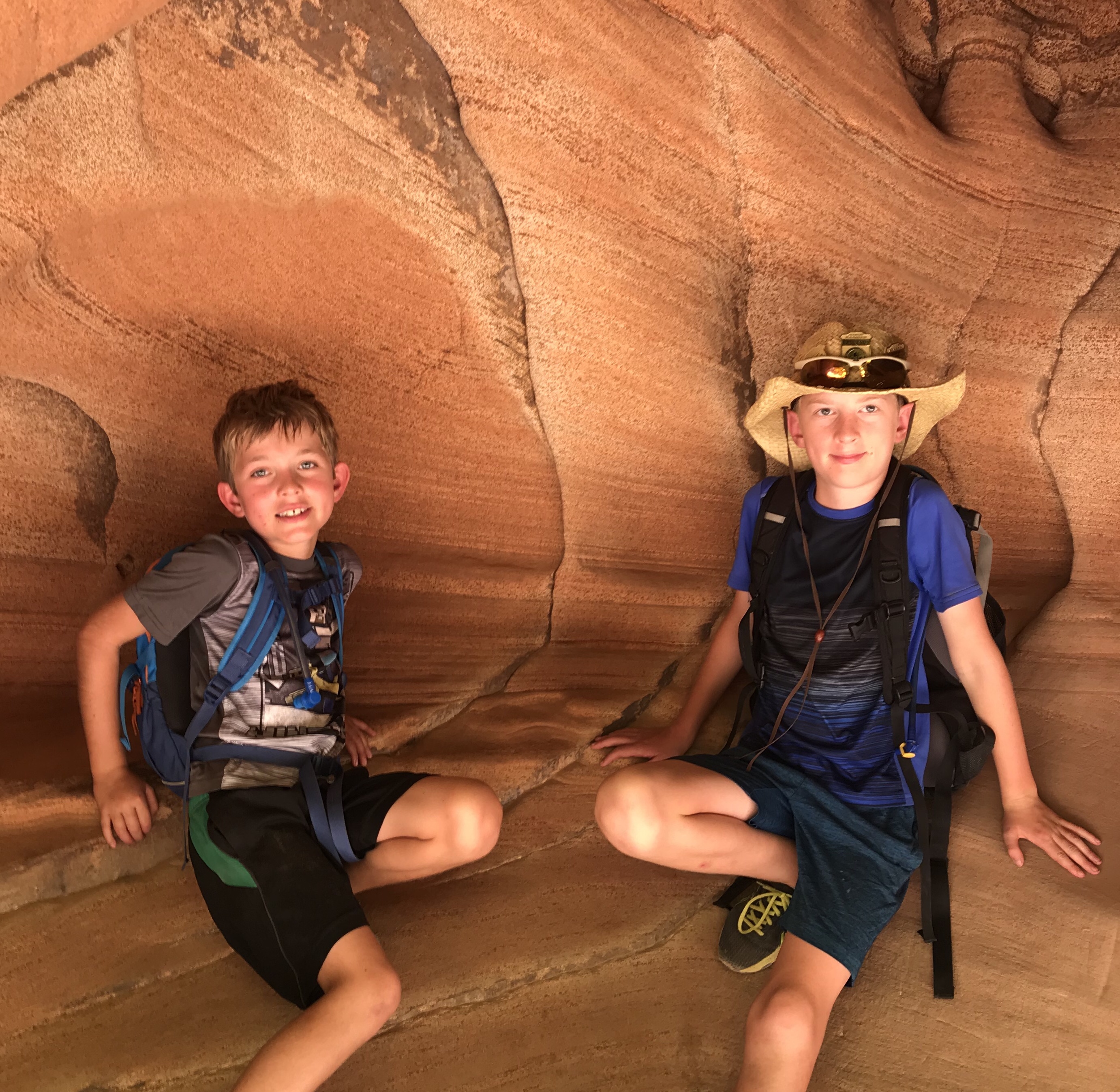
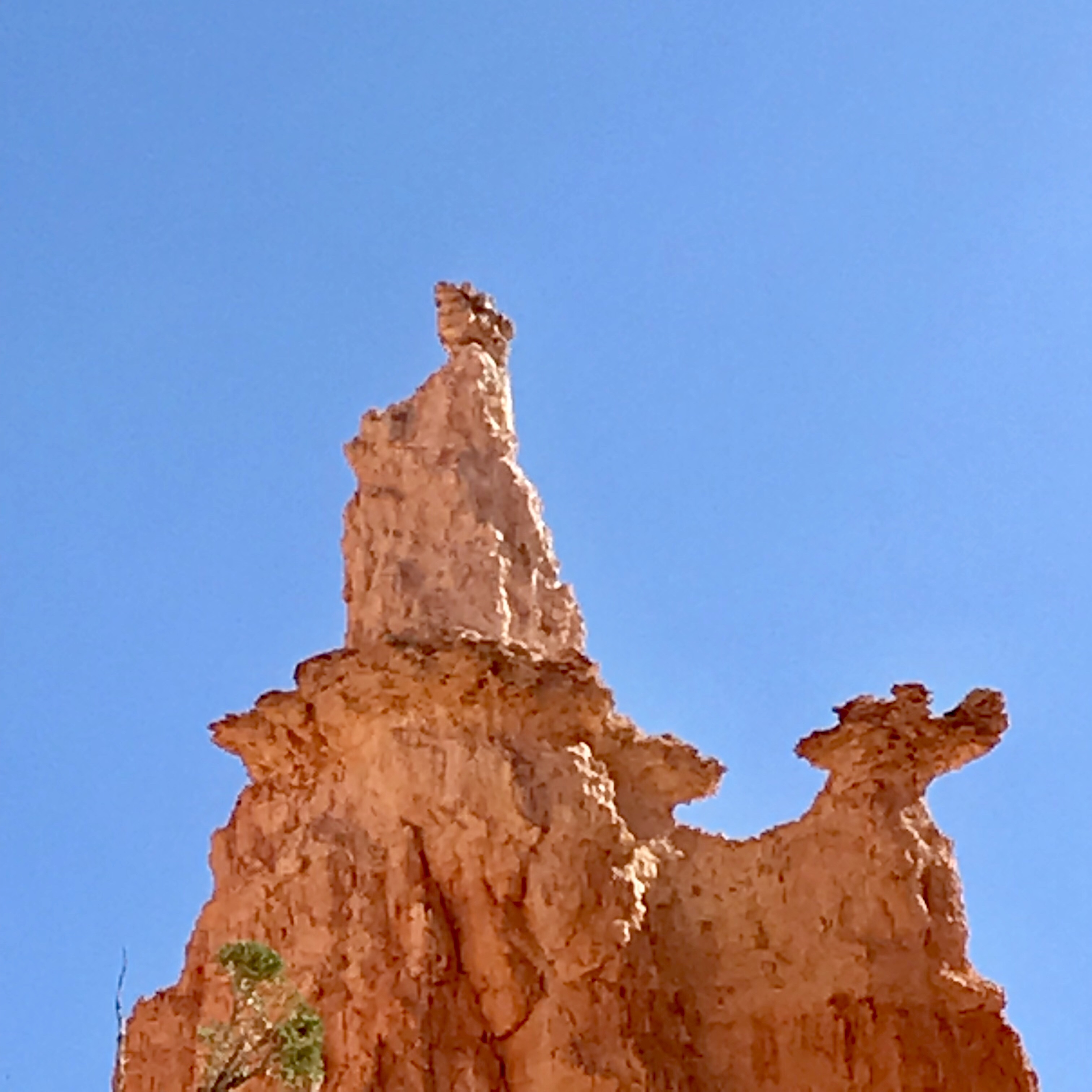
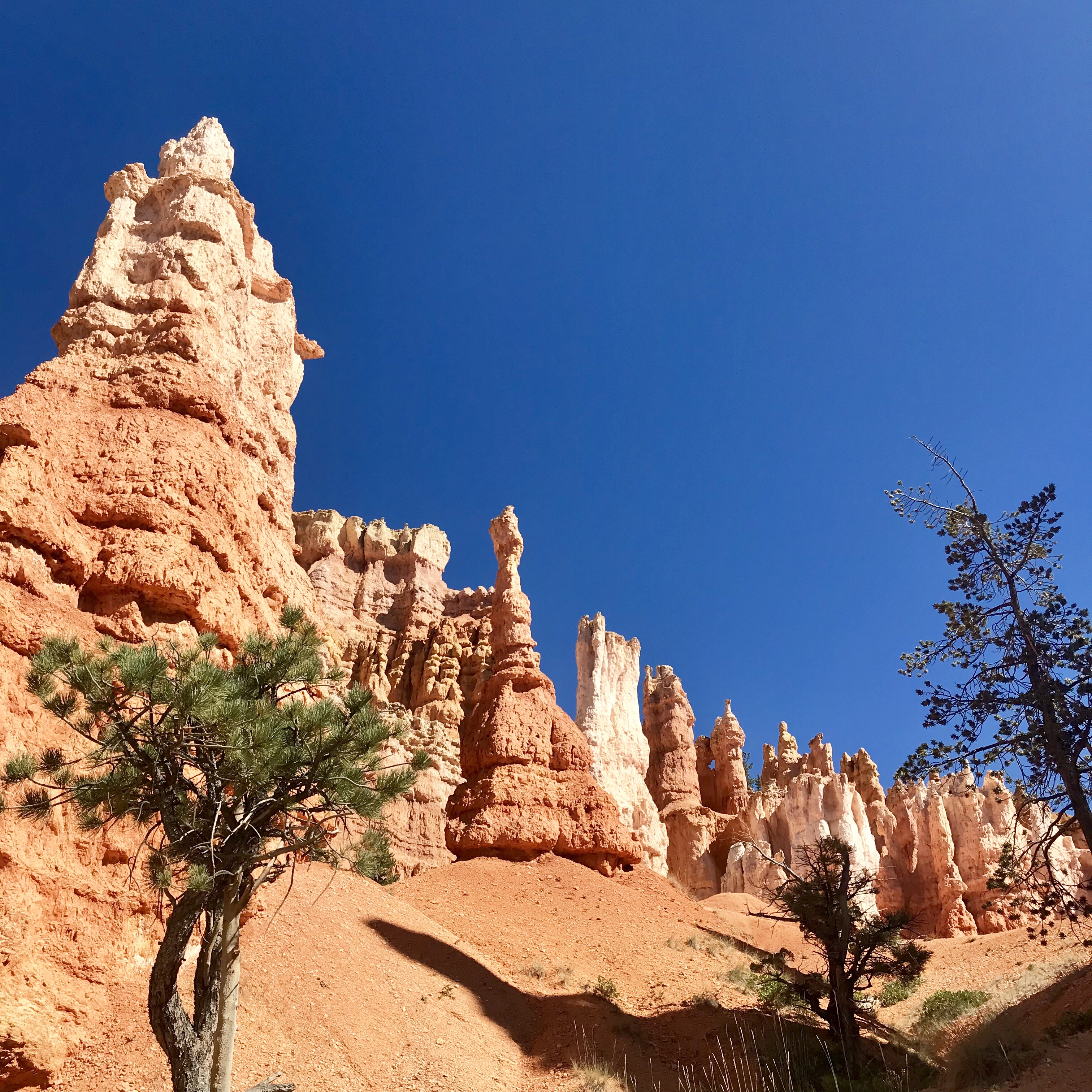
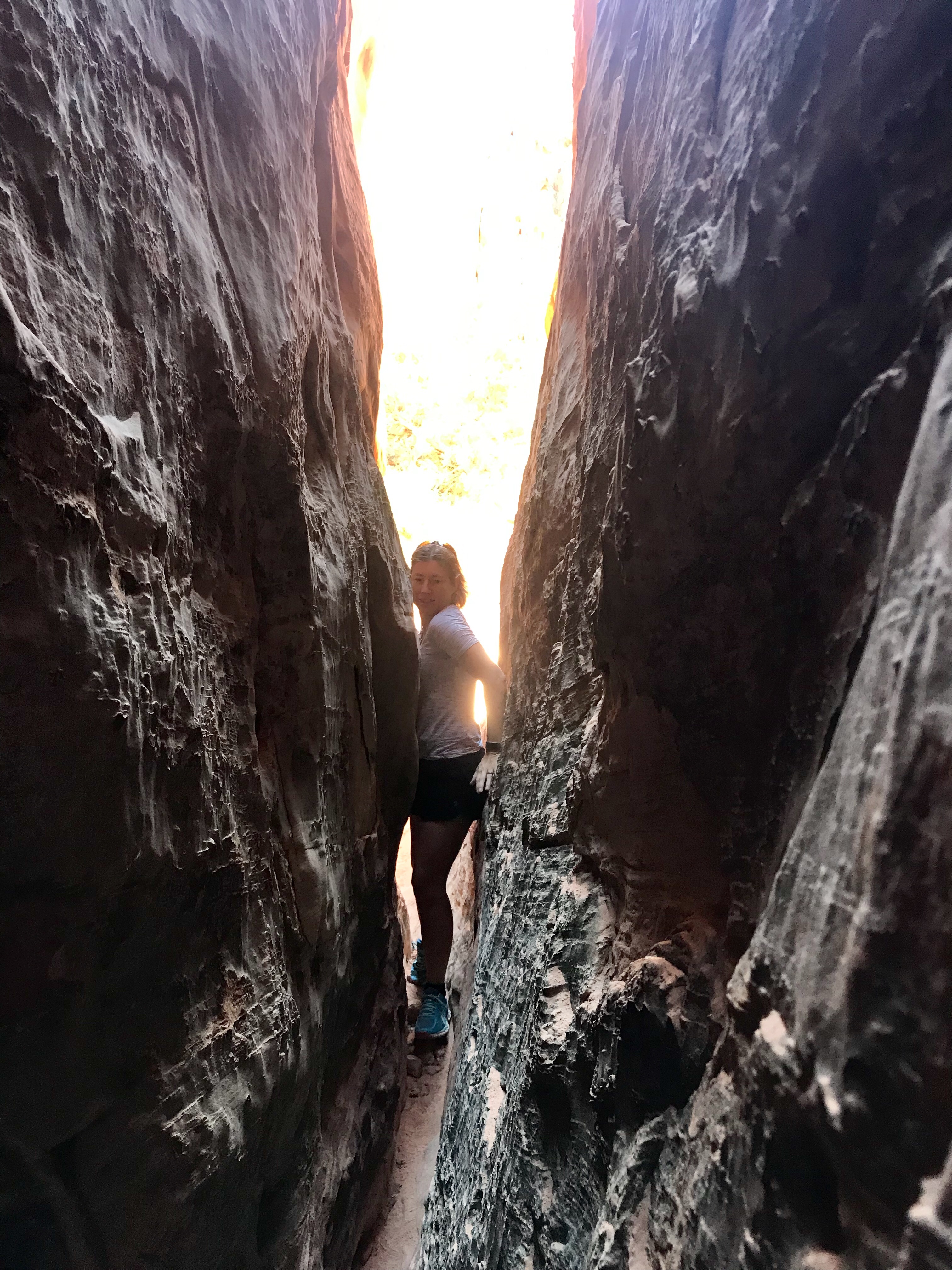
 Then we went to Bryce “Canyon”(actually it’s a amphitheater) and Capitol Reef. We saw some hoodoos, arches, Canyons, and Balanced Rock (no, literally a balanced rock called Balanced Rock!). We went on a trail in Cohab Canyon which was really hot! We went into some slot canyons that were really skinny! We went on the Navajo loop trail in Bryce Canyon and at the start of the trail there is a lot of stairs down, down, down into the “canyon”. There’s also a hoodoo that looks like Queen Victoria on a camel.

When we arrived in Mesa Verde we went on a tour of a cliff dwelling called Balcony house. In Balcony house there are lots of kivas and rooms. A kiva is a big hole in the ground that ancient Pueblo people lived in. Kivas are circular with seats around them and they have something like an air conditioning unit that sucks air down into the kiva. To get into a kiva you need to climb down a ladder that’s on the roof. That is also where the fire is underneath and where the smoke comes out. The coolest part about Balcony house is getting in and going out because there are tunnels and ladders. When we got back to the campground we saw 8 Mule Deer and 3 wild turkeys!
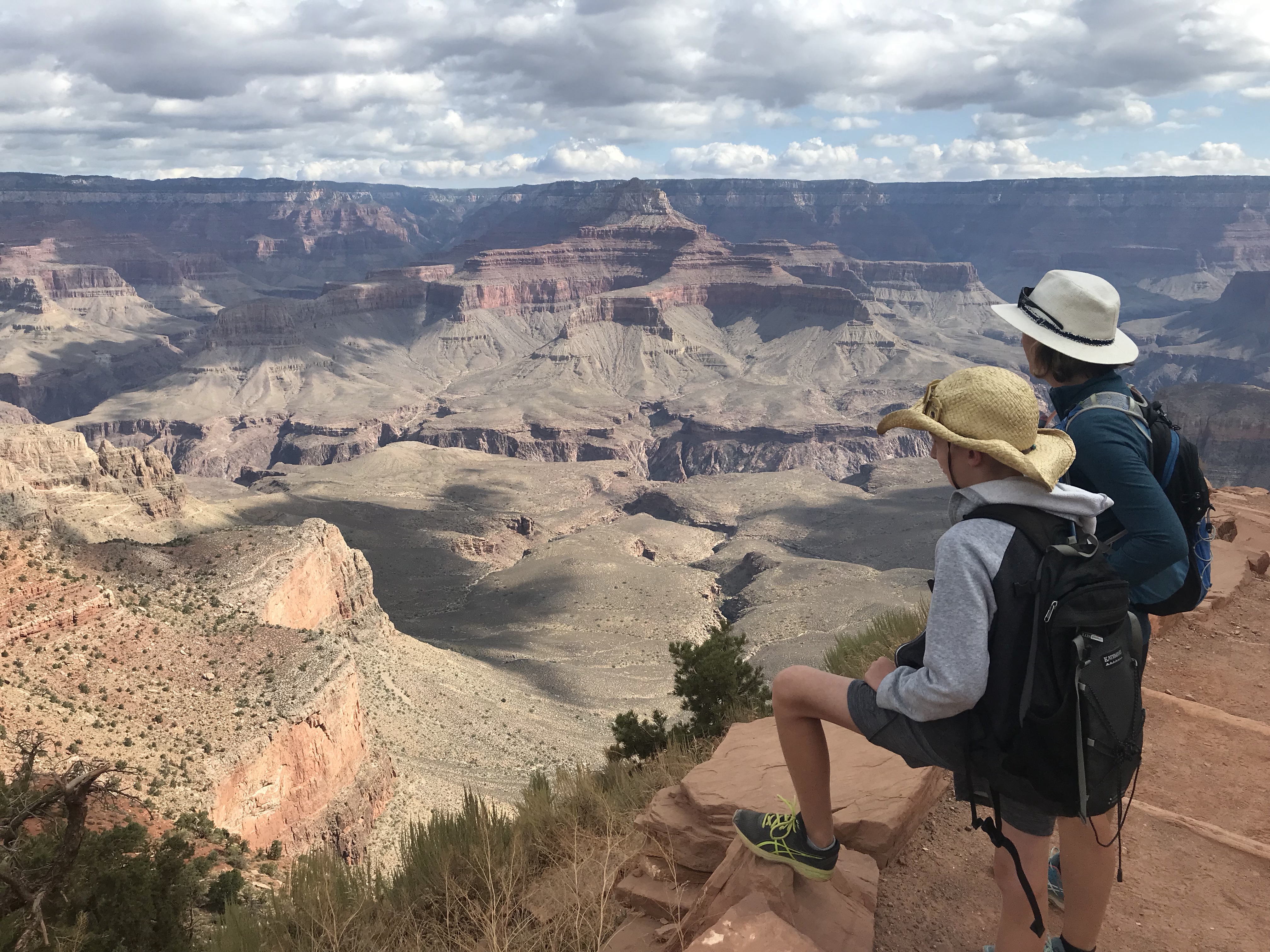
At the Grand Canyon we went on a trail into called Kaibab trail. When we were going down we saw mule poo! We went all the way down to Ooh Aah point and then stopped for a break. After the break we went down to Cedar ridge to have lunch. Then we turned around and headed back up to the rim.
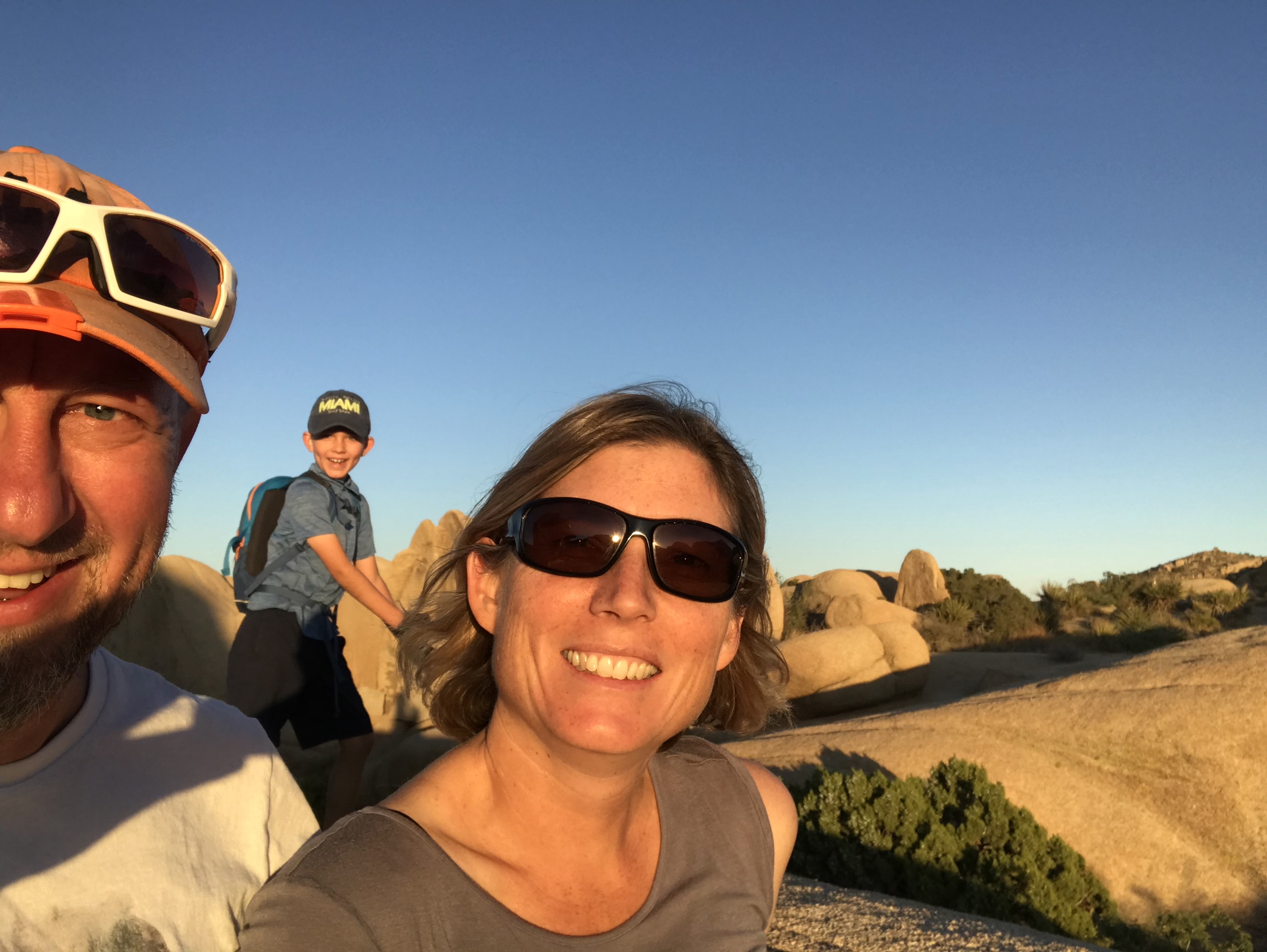
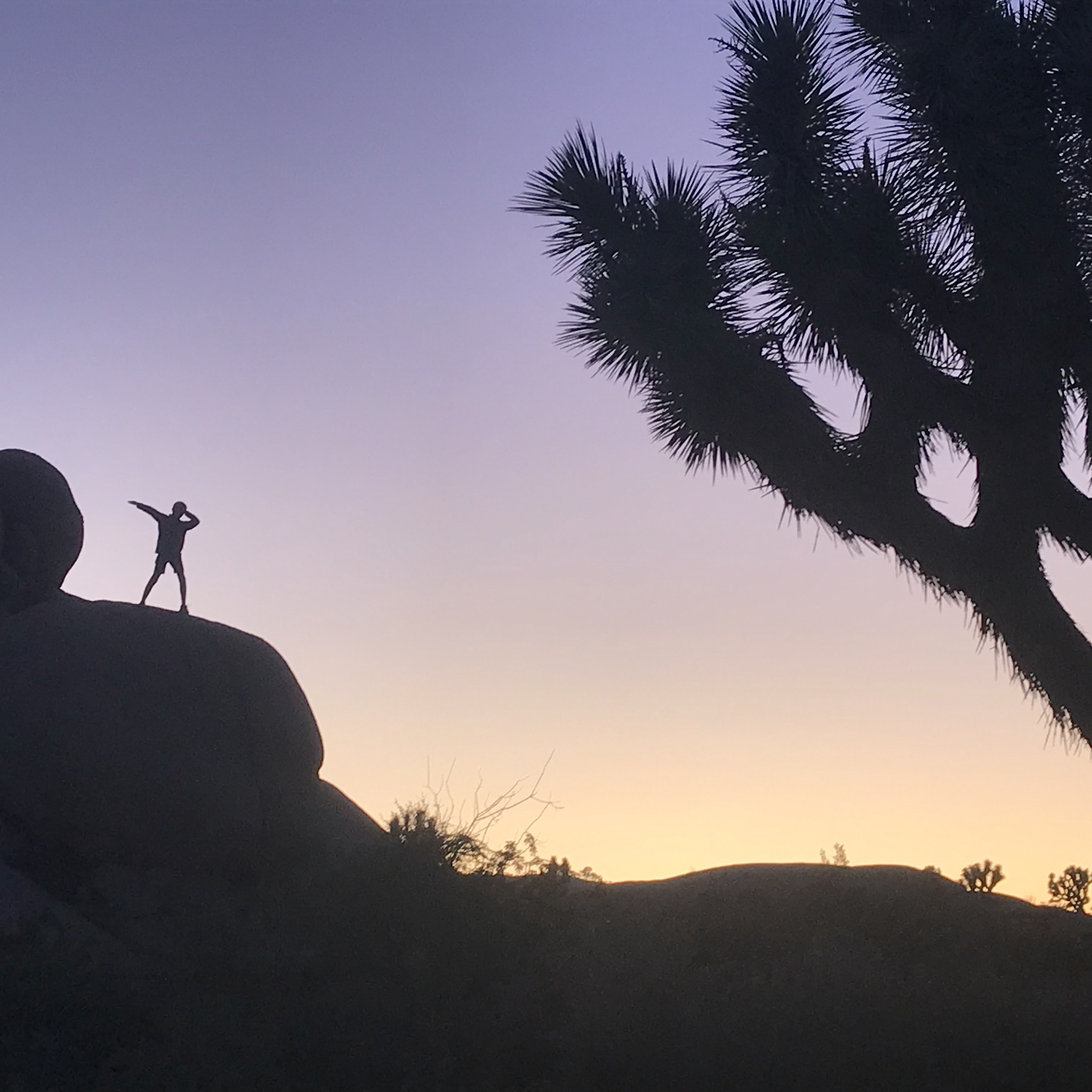
Then we went to Joshua Tree. Our campground was the best campground ever as it had so much climbing! The first thing me and Josh did was climb. We climbed and climbed and climbed and climbed all night long (well maybe we didn’t but you get the idea, a lot). There were Tarantulas and Scorpions around so we had to be careful. I got to photobomb Mum and Dad doing The Floss and then we hopped on a plane and went back to New Zealand.
Bye ‘Merica! So long, and thanks for all the fish!!
Scott Verkaaik

Junior Ranger Report Team #3 – Josh

Editors note: Ok, so the end of our trip got away on us and we failed to publish the kids last blog posts! As there is a bit of content we will do them in two separate posts to catch up. Over to you Josh….

Welcome to Sequoia. Let’s start with the National anthem of Sequoia NP: “For the land of big trees”. Alright I’ll refocus. Mum says I’m getting off track. Sequoia NP is home to the largest trees in the world the Sequoia tree. We went to the campsite and set up. Then we went to see the General Sherman tree the biggest tree in the world. Then we continued the trail to an old cabin made from a hollow fallen over Sequoia tree. It has a bed, table and everything! Then that night we went to a ranger led program about the night sky. We saw the big dipper, the milky way and lots of other constellations. Me and dad stayed over after the program to look for shooting stars…Until we heard some rustling in the bushes which we thought was a bear. Naturally we left immediately. And yeah that’s it for Sequoia.

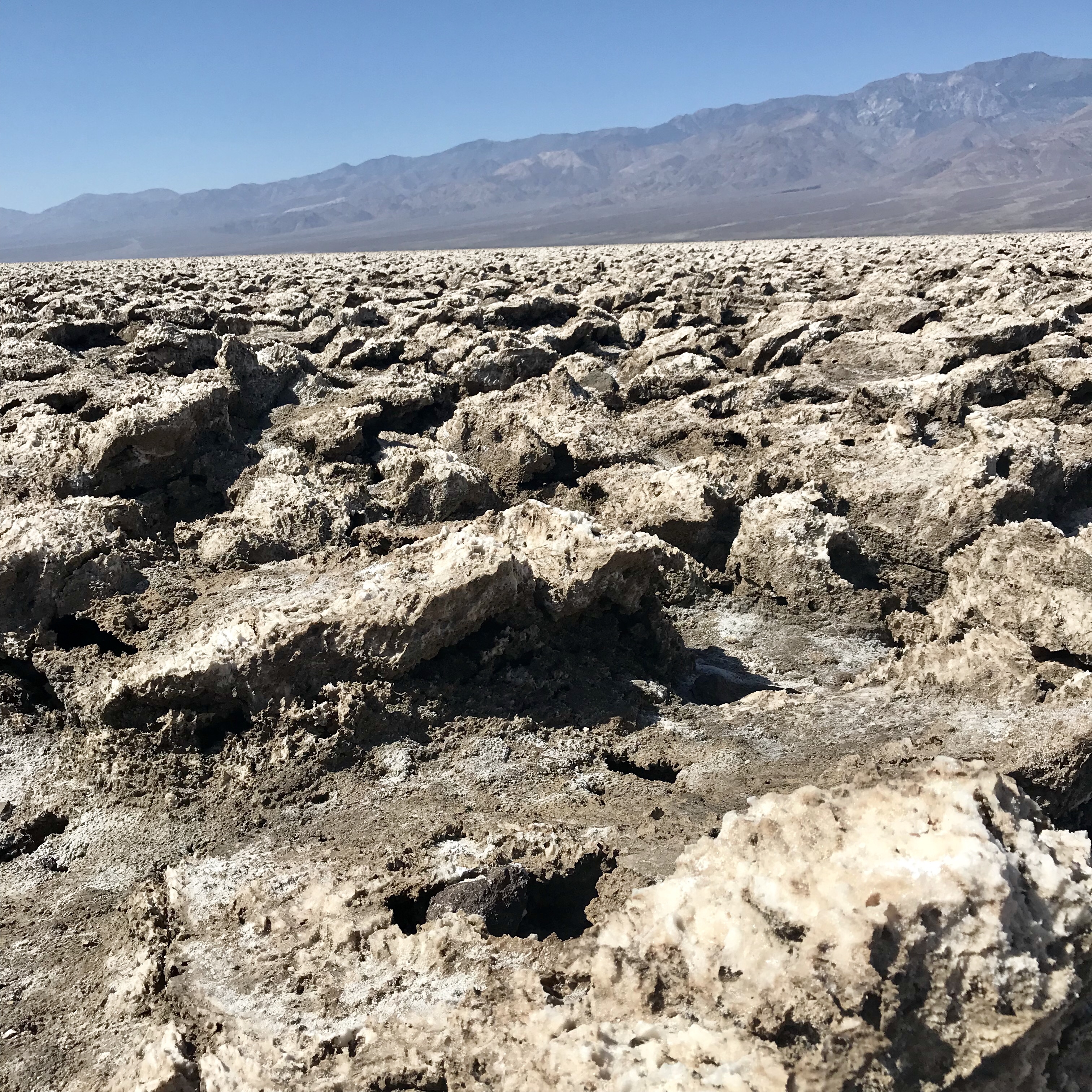
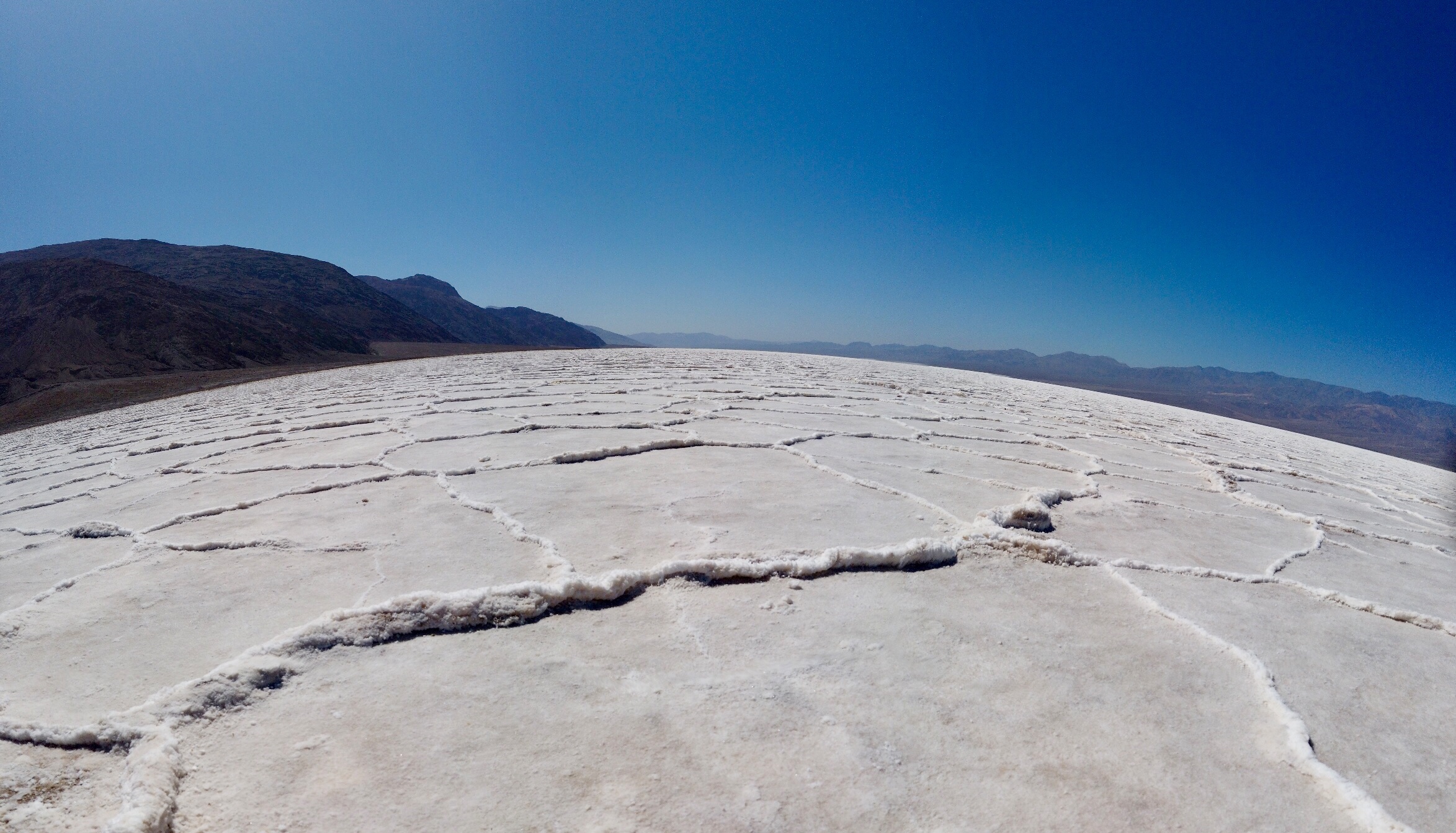
Welcome to the valley of DEATH. It’s called Death Valley for a reason. Hardly anything can survive here. First we went to the ironically named Devils golf course and you can actually hear the ground moving! Then we went to badwater basin. It has massive salt pans going for miles across. Then it was Dads turn to go on a solo hike. He went halfway across the salt pan without water in 46 degrees Celsius. Seriously. Being underwater is different than I remember. And HOORAY WE SURVIVED DEATH VALLEY!!! 

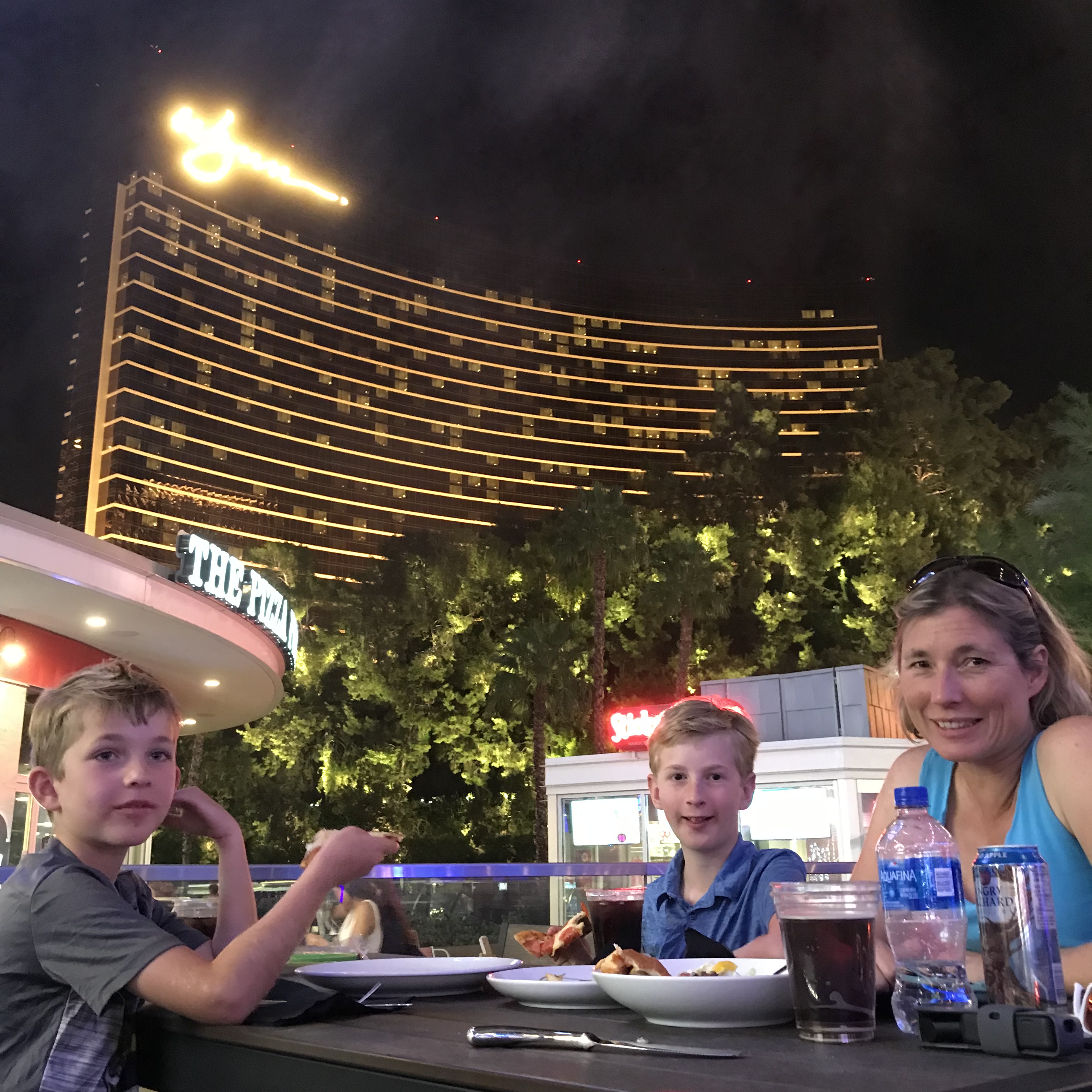
Welcome to Fabulous Las Vegas! We went to the campground and set up and took a swim in the pool. Then we went to the Circus Circus Casino. There we watched a trapeze show! They also have an indoor theme park with roller coasters and arcade! It’s called the adventure dome. Then in the night we went to see a miniature Eiffel Tower and Caesar’s palace! Then we went to see an artificial volcano erupt with fire and everything! Lastly we went to Fremont street and saw some really good cover bands. VEGAS BABY!!! 

Welcome to Bryce Canyon National Park. There are hoodoos everywhere! Hoodoos are tall skinny spires of rock. Hoodoo means “scary”. It makes sense because they look like they’re about to fall on top of you. Anyway, hoodoo you do?  Then we went to the Queens Garden/Navajo Loop trail. It’s a 3 mile trail that goes into a canyon and has an awesome view of the natural amphitheaters. Bryce is an awesome place to stargaze too.

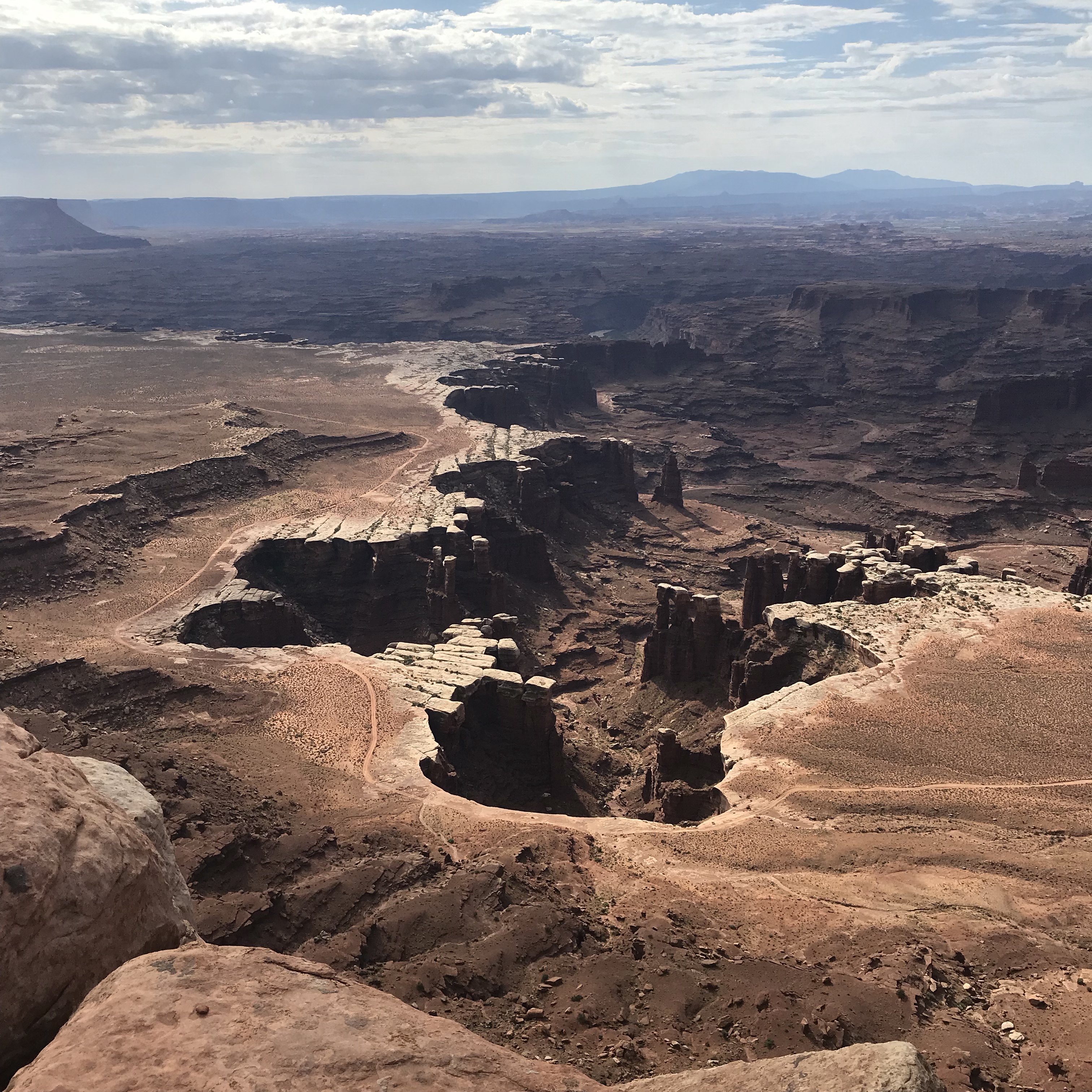
Canyonlands is the best National Park for scenery that we’ve seen so far. The views over the canyon is just amazing! First we went to the white rim trail with a nice view of the canyon. Then we went to Whale Rock. It’s called Whale Rock because it looks like a whale (with some imagination). What’s a whale doing in the middle of a desert? I don’t know. Canyonlands also has an international dark sky award.

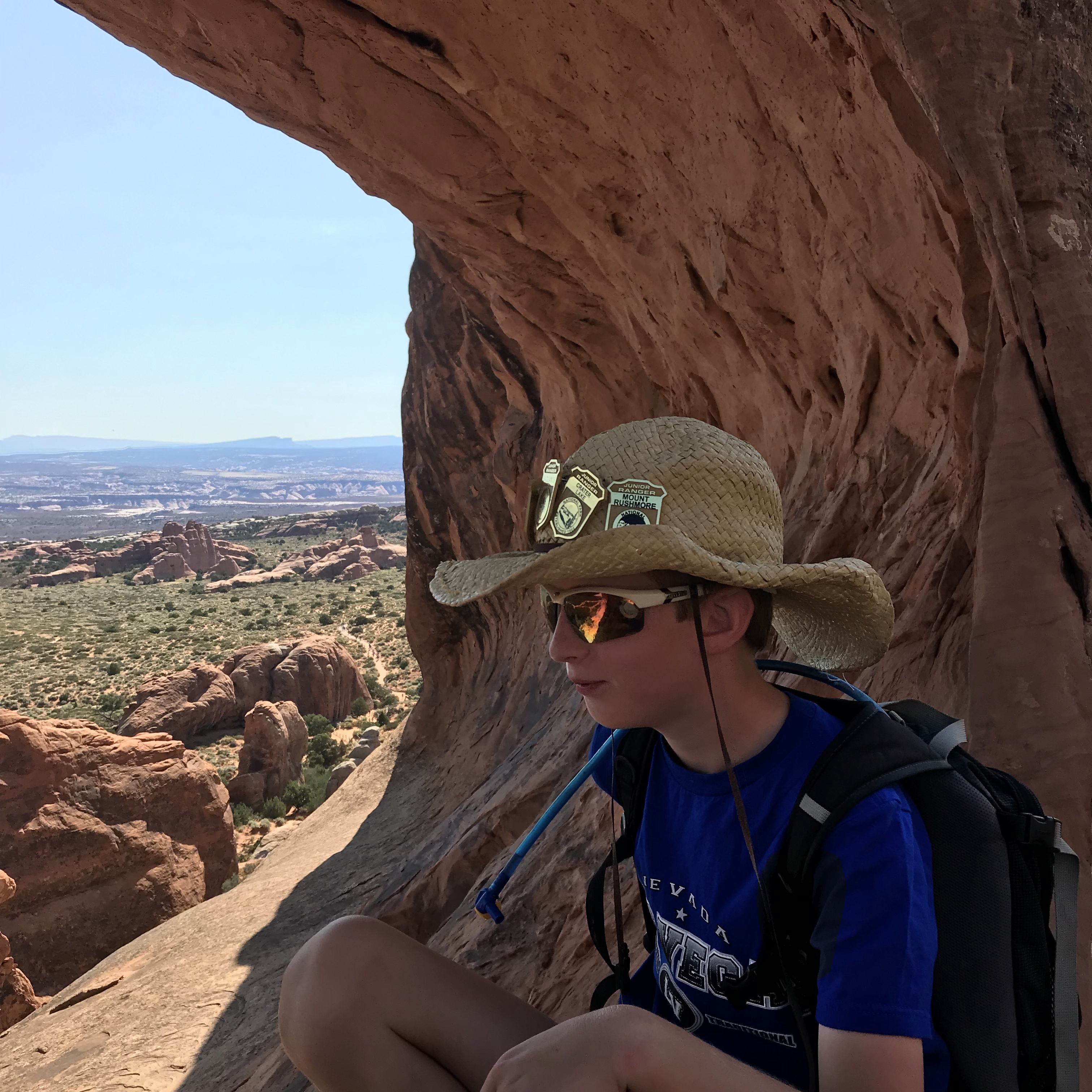
Welcome to Arches National Park. This place is full of hoodoos! (Just kidding,..arches). First we went to the Devil’s Garden trail. It has Landscape Arch,the longest arch in the USA, with a 306 foot span. It is a 6 mile round trip. Then we went to see Delicate Arch and a bunch of other arches. 

Welcome to Mesa Verde, home of the ancient Peublo people. This place is full of cliff dwellings and pit houses. The cliff dwellings are built into alcoves with springs at the back. You had to rock climb to get into your house or hunting grounds, which makes me wonder if babies had to learn to rock climb before learning to walk.. Goo Goo, Ga GaAAAHHHH… SPLAT!!! Maybe that’s why half the kids didn’t make it to the age of five? We went on a tour of Balcony House. Balcony House has 2 Kivas and lots of stone rooms. A Kiva is a round stone room in the ground with a mud and wood roof. The door is a hole in the roof with a ladder. It’s also where the smoke escapes to keep out the bugs. All in all, the Pueblo people were a very advanced society.

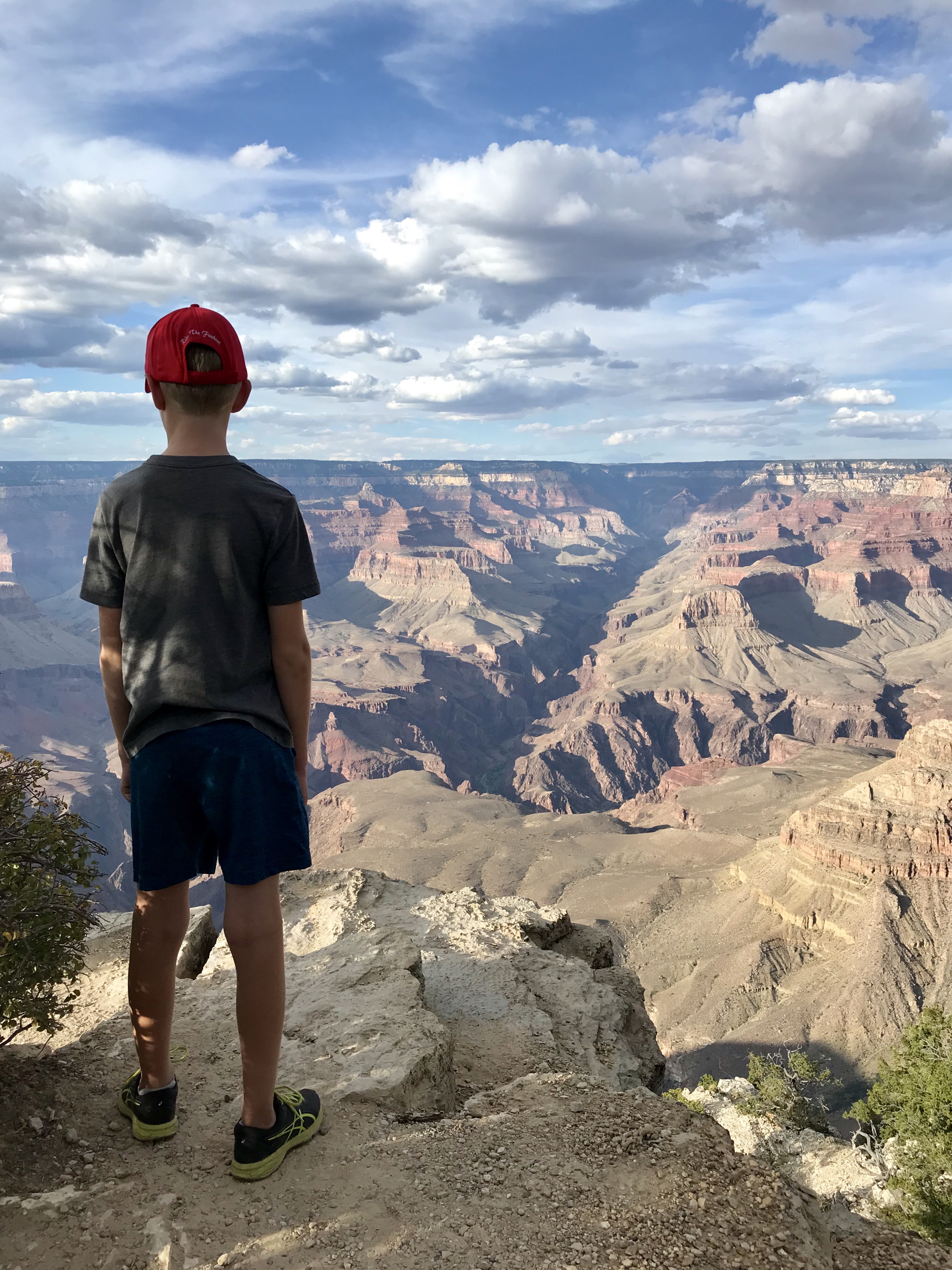
Welcome to the not-so-Grand Canyon NP. First we went to the campsite and set up. Then we went to the visitor center to get some information about the place. Then we went to an overlook of Grand Canyon. I think that Canyonlands has a better view because it has  more of a far away perspective, while Grand Canyon is more up close. After that we went on a walk down into the canyon which  is like climbing an upside down mountain because you go down first and then up. Then we went on the Rim trail and did we go together as a happy thg family? HAHAHAHAHA No. Scott had to go to the bathroom AGAIN, so Scott and Mum had to go back on the shuttle bus to find a toilet while me and Dad did the trail, but other than that it was good – a nice trail along the rim of the Canyon. Then we went to Hermits Rest (ironically a major tourist attraction) and had lunch. They have the BEST Turkey sandwiches EVER!!! And yeah, that’s about it.

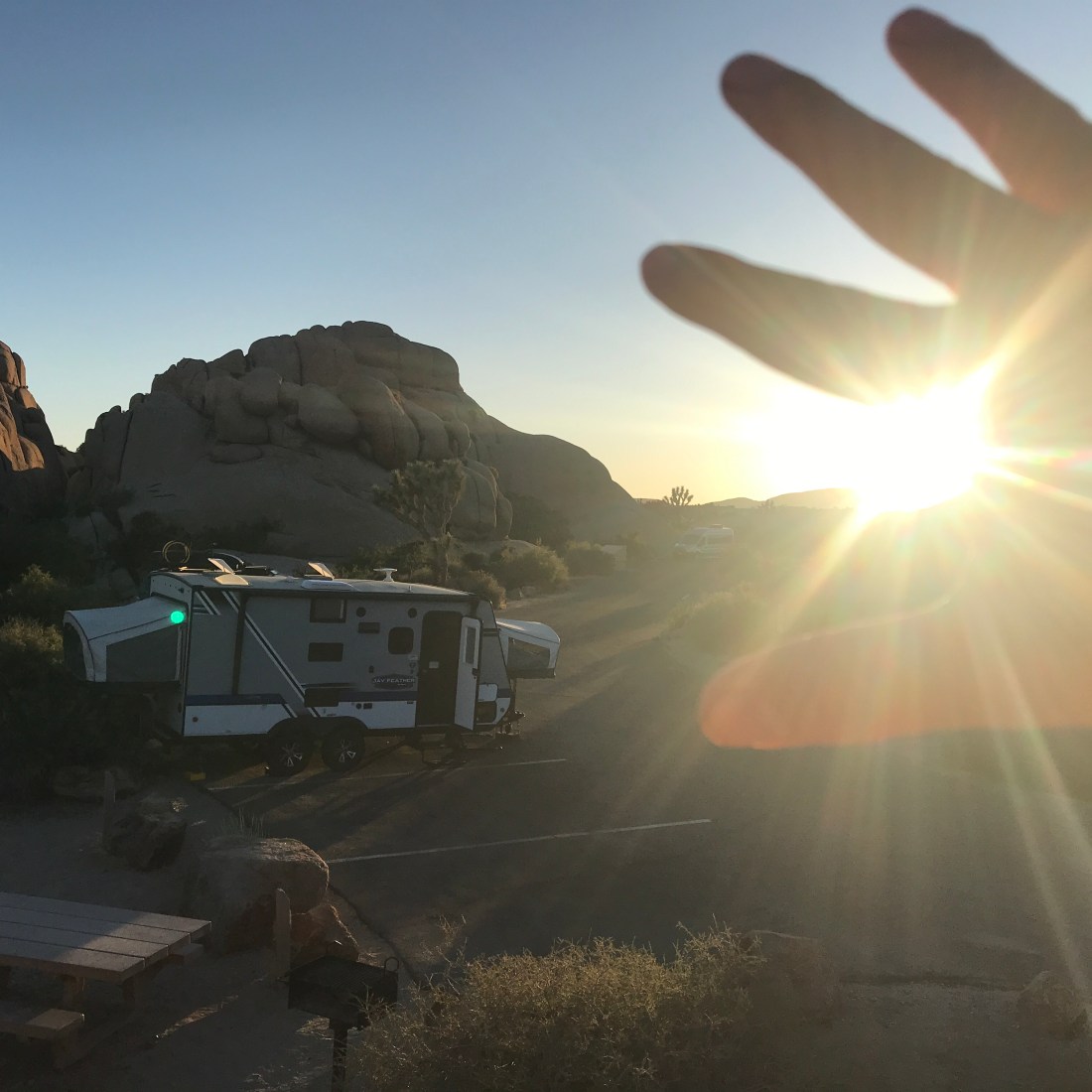
Last, but not least…welcome to Joshua Tree! I like calling the Joshua trees “Me trees” because my name is Joshua. Joshua Tree has a lot of life for a desert. There’s cacti, yucca and Joshua trees – all the spiky things. All spiky and vicious, just like me! There are also scorpions, tarantulas and the most vicious of all… the Bunny. First we went to the campground and set up the RV.  Then we spent an hour climbing and enjoying the nise sunset. The next morning we went on a ten minute walk, but it took an hour because we were so busy climbing! The rocks in Joshua tree are actually frozen magma. All in all we had a great time in Me-tree National Park.
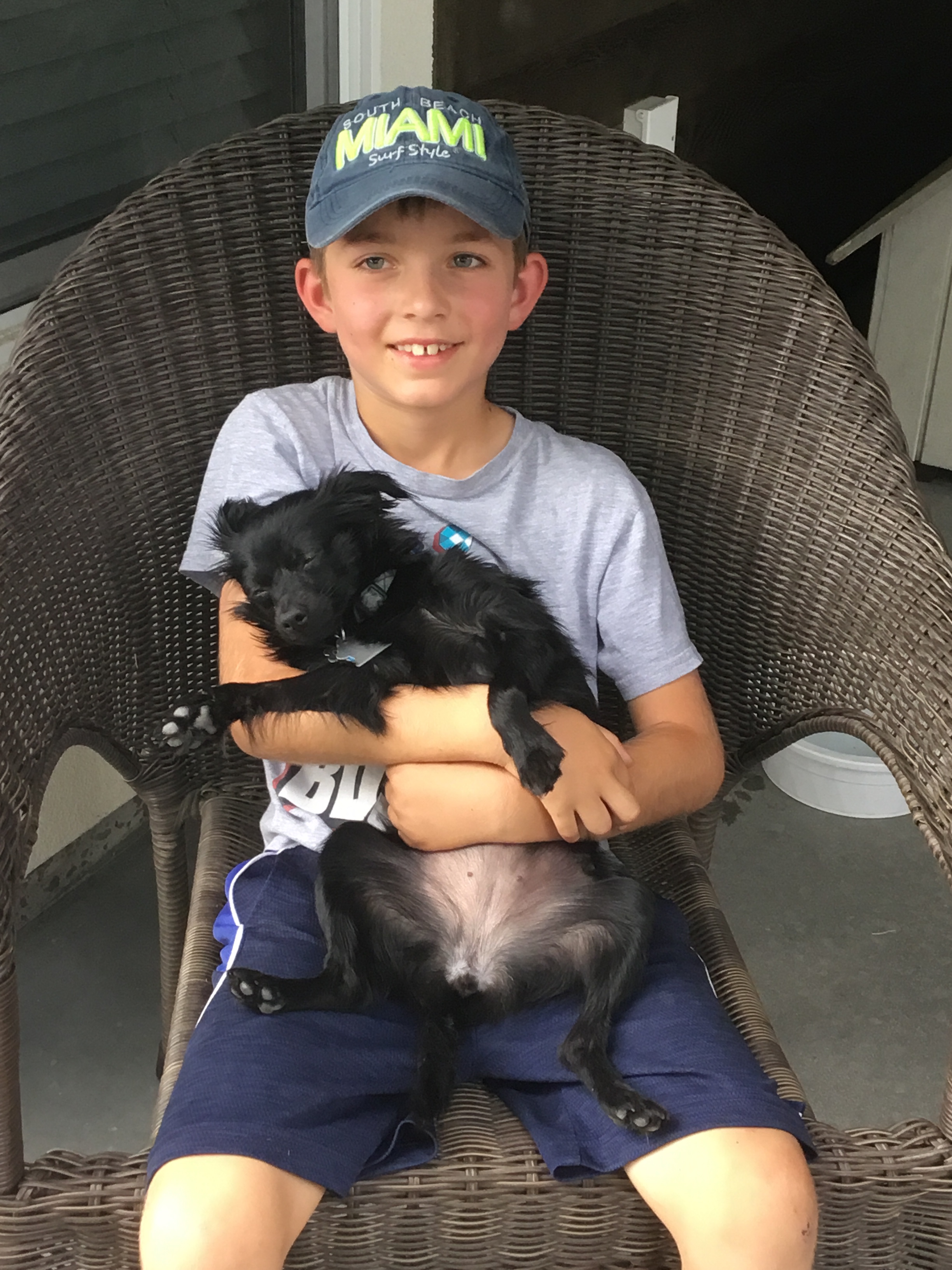
It’s back to New Zealand now, so bye-bye America!

By Josh Verkaaik

JUNIOR RANGER SCOTT

Decadence

“This species has amused itself to death.” Roger Waters

Welcome to 2020!

The year that for decades was pegged as a defining future moment has finally arrived. Various projects or “vision 2020” initiatives existed as mechanisms to focus thinking and efforts to create an enhanced result. For many, these efforts centred around the realisation of a collective economic or political goal or aspiration. We imagined healthy economies and prospering communities, with maybe an element of social wellness. We imagined the productive use of technologies to advance and benefit humans, to benefit and entertain ourselves.

More wealth + more health = a more satisfied and content version of ourselves.

But there is so much that we failed to imagine and that the law of unintended consequences would play out on a grand scale. Did we imagine that a connected ‘global village’ would both build and burn bridges between people? That some would harness the power of social media and 24/7 connectedness to seed hate and harvest destruction? Did we see that hot spot tourism would reach melting point temperatures and burn out the very attractions that the masses came to see? How could we imagine that miraculous pocket sized devices would become so addictive and lead to the ultimate irony of a room full of people ignoring each other in order to be ‘connected’?

As I write this Australia wakes to a red dawn with apocalyptic scenes of unprecedented fire activity that is consuming forests, farms, thousands of homes and tragically, the occasional life. This is the other “more” that we did not foretell so well; more extreme weather, more fires, more loss of coastlines, more destruction of infrastructure built by human endeavour.

In the Bible, the apocalypse describes scenes of epic destruction, plague and pestilence wreaked upon mankind. But that is not what I see. It’s getting harder for me to look at humankind and to not imagine that it is we who are the pestilence, that we are the plague unleashed on the only viable ecosystem in the known universe. That a species that numbered in the low millions for many Millenia would suddenly explode into billions, whilst doubling the average lifespan and exponentially consuming resources that far outweigh historic averages was not anticipated. That we could move from adjusting and modifying our immediate surrounds, to having the collective power to unintentionally change the atmosphere and biosphere did not exist in the wildest dreams of our pioneering ancestors.

But we have. We did. And we are still doing.

I am by nature a designer and inventor with a positive outlook on life. I never intended to sound this glum, to be looking back with regret on the state of the planet and to have a hint of pessimism about our future prospects. And I’m not filled with dread and despair of what lies ahead, but I do feel a growing weight of responsibility to contribute to a brighter future for my boys. A “Vision 2050” where the excessive pursuit of our personal wealth and edification at the expense of all else has ceased. Where the wealth of nations is not measured by the inept concept of gross domestic product. Where our relationship to natural resources becomes more symbiotic and that the planet ultimately benefits from our presence.

A future where less is truly more.

So, what will I do in the next decade? How can I play my part? What changes will I make to my lifestyle? Can I dream or invent something to make a difference? These thoughts are motivating and invigorating, they are inspiring. 2020 will be the start of a new chapter in our lives and for our planet. Let’s make this next decade count and contribute.

I hope you wake to the same dream.

Trading one adventure for the next

“Nothing ventured, nothing gained” – John Heywood, 1546.

As I sit here writing this, staring out the window at a stock standard suburban scene in the south of Christchurch, it’s not hard to wonder “Did we dream it all?”. The buzz and clatter of the re-entry into our new lives in New Zealand has died away, and the frenetic catch ups with family and friends eased to a more sustainable pace. The memories of our epic roadie now seem faint and remote. Such is the curse of the human condition, obsessed and consumed in the immediacy of the moments we are living in right now.

What did we truly gain from our escapades? Was it just a collection of fleeting moments now confined to memories that only exist in print and 1080p videos?

Was it all in vain?

With our 15 seconds of fame over, and interest in our experiences diminishing as we re-join the more regular swim of life, it is apt to reflect on what the journey meant for us, and what echoes will remain.

Investing in a shared adventure as a family is not an investment in a traditional sense. You can’t run a Return on Investment analysis, or a Net Present Value to measure it against other things you could spend your money on. In fact, it can’t really be measured by currency, but rather by what you have spent your time on. It’s a sobering reality that I have just spent as much time together with my children over 3 months as what most men would take 4 years to accrue. It wasn’t all “quality” time, but having a long, slow period of time just hanging out with your kids teaches you a lot about what makes them tick, and what makes them unique.

Michelle and I also used to be adamant that there was no way we could ever work together in a business, or on a major project. We are well suited, but are quite different people and personalities. Now, after thinking back on everything we have been through in moving to the other side of the world and back, we have an enhanced sense of confidence together. There were surprisingly few antagonistic moments, either minor or major, during our time on the road and our ability to solve potentially stressful problems together has grown exponentially.

For me the greatest reward is a lingering sense of quiet assurance, one that I have not traditionally experienced. I’m happier in the small moments, and less rifled when plans get derailed by unexpected moments. It’s given me the confidence to go out on my own as a contractor, shunning the certainty and predictability of regular employment for the flexibility and uncertainty of contract and project based work. Michelle is also extending herself, having won a coveted spot Ao Tawhiti Unlimited Discovery School, an open learning environment with no fixed courses or classrooms that uses the city and surrounds as its extended learning space. Her time on the road helping to turn every moment into a learning experience for the boys certainly helped to get her application over the line for these hotly contested teaching positions.

Lastly, our experience has really impacted our life view and helped us to decide what is important. We were always more “do things” than “have things” people, but we have comfortably downscaled our lifestyle to a more sustainable level following our return. We drive an electric car (powered by NZ’s hydroelectric power supply), bike as much as we can, and eat less red meat to reduce our carbon footprint. We’ve learned to be happier with less, and feel richer for it.

So, if you do have that niggling thought at the front of your brain saying “what would happen if we ….”, don’t ignore it – explore it. Take some calculated risks, make some positive changes to your life and in the lives of those around you. Go explore the world around you, and watch as your own world gets improved in return.

Road Scholars

“The journey of a thousand miles begins with one step” – Lao Tzu

13 weeks

9,000 miles

300 hours of driving

35 setups & packdowns

26 National or State Parks

Through the looking glass of the Blog posts and videos posted to friends and family on Facebook, we’re sure that our three month road trip in the USA looks to be a continuous and idyllic adventure, and for the most part that’s been pretty true, but everything you do in life has a cost, both in financial, social and personal domains. So what does it take to invert your lives and turn your weekends into weeks?

1. Feel the fear and do it anyway

Firstly, you will need to learn to be comfortable with uncertainty. Having packed in our jobs to take this hiatus there is a degree of discomfort on the career front. Will we find employment quickly at the end of this all? How will future employers view this dreaded “gap in the CV”? Stepping out of the certainty of established careers to take a break is indeed a bit discomforting, but interruptions to careers happen all the time, whether we plan it or not. Redundancy, re-sizing, the birth of a child, global financial crisis or even natural disasters can occur anytime along your career path.

When it’s sudden and unplanned, panic mode kicks in and most people focus on instantly regaining employment (we would too!). By firing yourself on a carefully planned and controlled timeframe, you can manage the risks and plan to save in advance for what you will need (more on that later).

We are both interviewing on the road for jobs back in New Zealand, and Michelle has already landed one for when we return. Employers are not put off by “the gap”. The interviewers are of course human, and most have their own dreams about taking time away from employment, either before or at retirement. Demonstrating that you are not afraid to step out of the normal flow of life, and to take moderate and measured risks to achieve your life goals is a positive, not a negative in the eyes of prospective employers.

2. What’s your plan, Stan?

While the career and money sides are of course important, being in control of your timeframe is more critical. Planning your exit and re-entry strategy early will make a difference into how much you will enjoy your time on the road. Travelling full time is tiring. Long days exploring new places, hot weather, high altitude and interrupted sleep patterns are all par for the course. Layer on lots of small and large worries and you will ruin your ability to be in the now and experience the moment.

Some people have the carefree ability to not worry at all about the future. Life just happens to them; sometimes for the worse, sometimes for the better. Try as we might, we are not those people. For us, being on the front foot, especially for the larger picture issues and events, is important. That way, you can plan and book major attractions and sites well in advance, giving some structure and dependability to the sojourn. You don’t need to plan everything down to the last second, but having some anchor dates and locations to thread between will make a big difference.

Plan for un-planned events too. Having some flexibility in between major points will help you soak up the unexpected events, which will happen! Having to exit the US into Canada to trigger a visa extension, an 800 mile day trip to sort out a ridiculous vehicle licensing issue, and nails in the tires are some of our collective lowlights.

3. School’s out for summer (not forever, sorry boys!)

With seven and eleven year old boys in tow, maintaining schooling is a consideration. In the Midwestern US, we were used to an abnormally long (and completely unjustified) three month summer break – a tradition that goes back to farming days so that the kids can help on the farm. With the New Zealand and US school calendars out of whack, we were faced with a 4 1/2 month break from formal schooling.

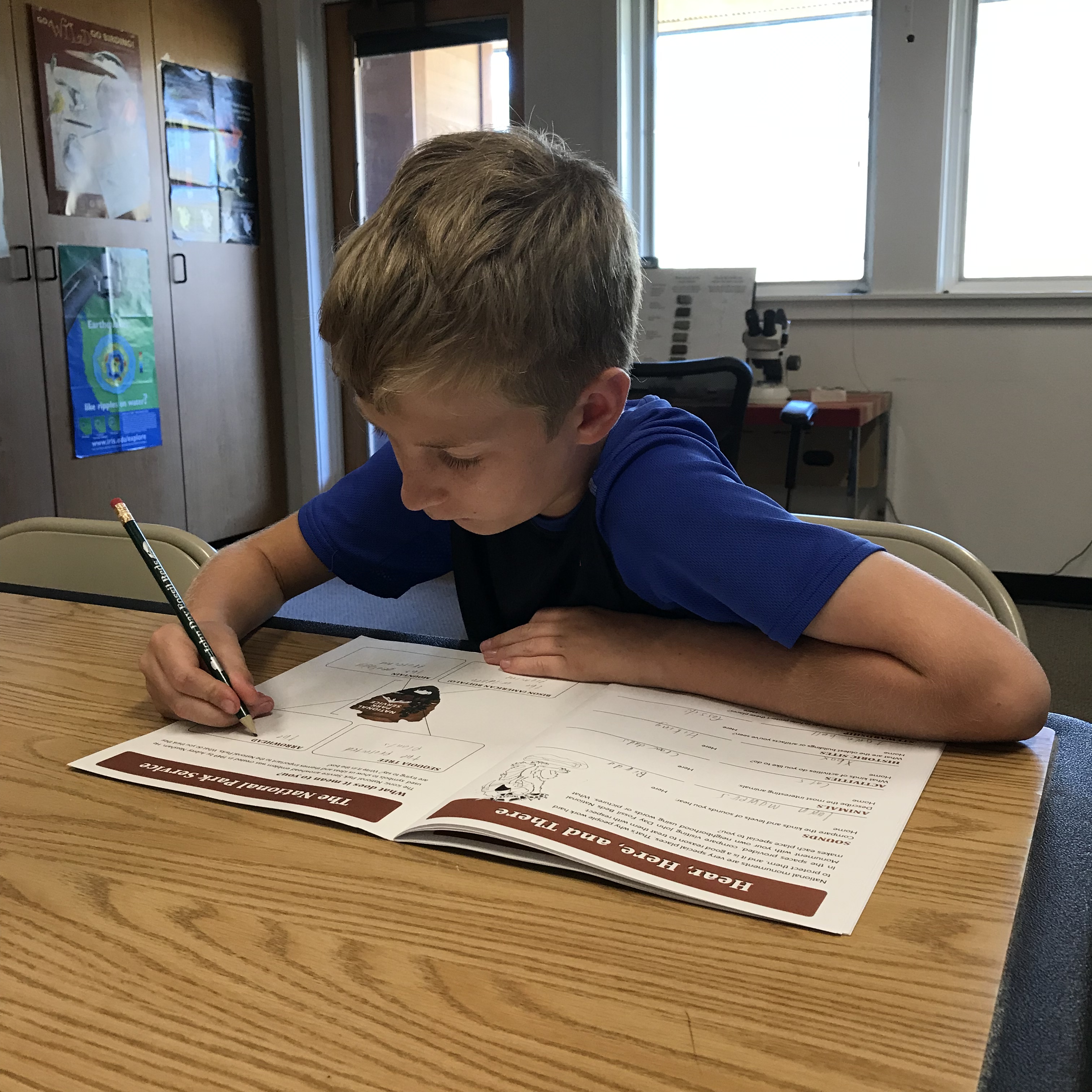
Junior Ranger Josh hard at work

The solution? Turn everyday into a field trip! The National Park Junior Ranger programs are incredible, with every park having workbooks, lectures and museums to explore and learn about geological, biological and astrological phenomena. We are big fans of experiential learning, and scrabbling around on rock faces with your fingers on fossils is high quality learning. The boys do their own “Junior Ranger Report Team” blogs, posted on this site, and are learning how to craft their experiences into stories.

We also have school workbooks for mathematics that the boys do during our hundreds of hours of driving to ensure that they will be at the right level when they re-enter formal schooling. After days of staring forlornly out the Ohio public school windows, getting out into the wilds and having everyday as a learning adventure has been fantastic for the boys. Seeing them develop a real love for the natural world, and to proactively defend it by picking up trash and admonishing other kids who lack respect for creatures and environments, has been truly rewarding.

4. Money makes the world go round

We set out with a daily budget of $100 in mind for food, fuel, accommodation and entertainment. This was roughly 2/3rds the normal cost of running our suburban life household. Nearing the end of our trip we are sitting at $112. Petrol has been more expensive on the west coast, and we have used more of it than anticipated, averaging 11.5 miles per gallon while towing up and down the 8,000 foot elevation changes. 2 Minute noodles for lunch and instant coffees help to contain costs, along with avoiding eating out for the most part. Pack your lunch to save a bunch too when out exploring.

Cities are expensive to visit and we have deliberately limited the amount of time spent near major metropolitan areas. The best times have had have been when we paid $25 or less for a site anyway. We could have done things cheaper, by camping overnight at Walmart, or going off-grid for free camping on public lands, but we are still pretty happy with the result. It’s easy to blow five grand on a winter holiday to somewhere warm for a week, so to have 3 months of adventures for just double of that is great value in our books.

5. Social-lites

Perhaps the biggest give away is the chance to be with friends and family. On the road, you can feel a bit like a social satellite; a bright light being observed from afar. Facebook, Skype and WhatsApp can close the gap a bit, but there’s no real substitute for sharing stories and experiences with your inner circle over good food and drinks. There are plenty of opportunities for instant friendships with fellow travelers, but these are made and lost quickly; the brevity and immediacy of the moment being the common bind. Paradoxically, you are possibly the most interesting to friends and family as you orbit around on your adventures, posting tidbits of intrigue to keep then up to date.

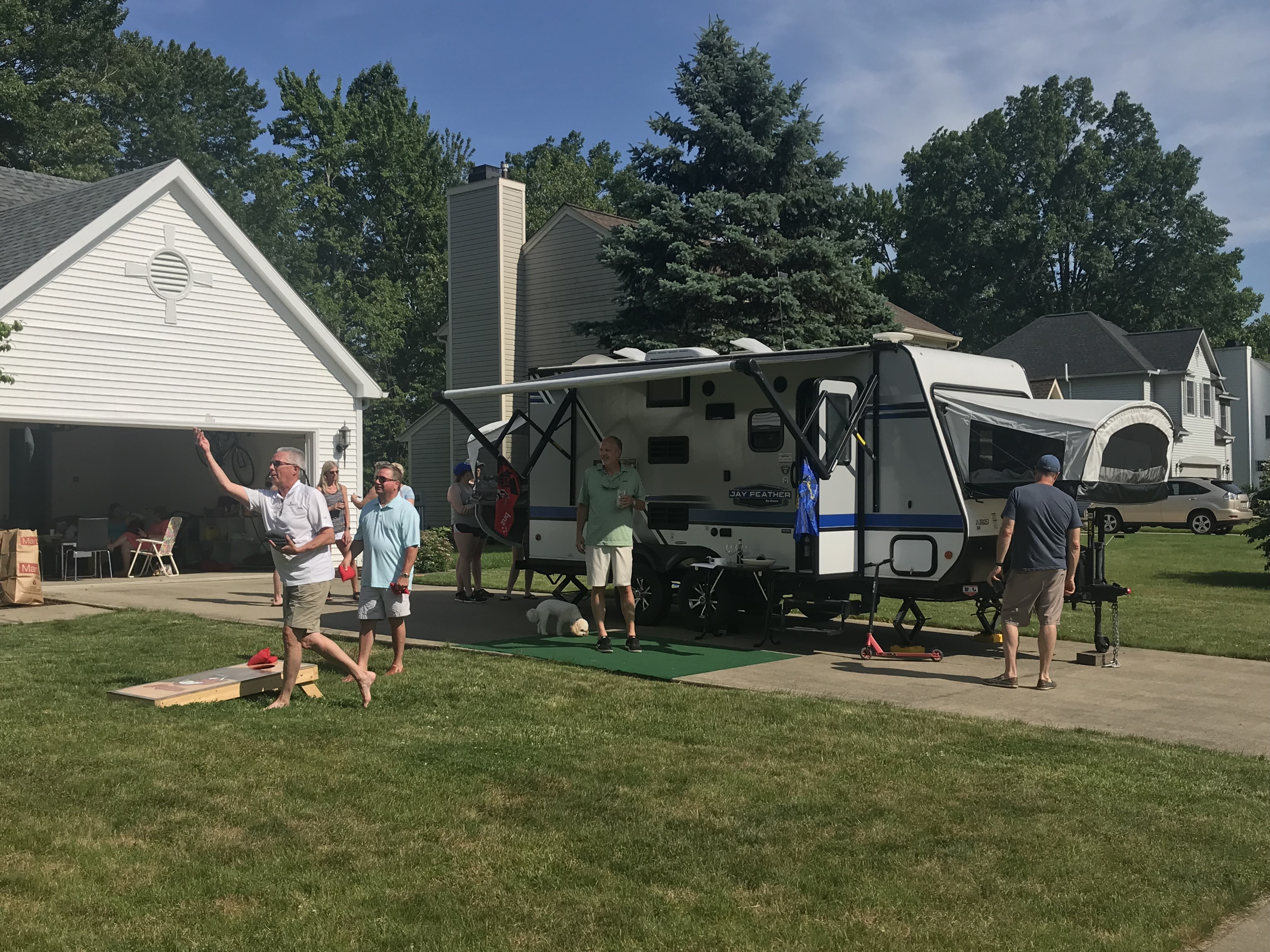
Leaving party with friends and neighbors before hitting the road

All that being said, the million dollar question is “would we do it all again?”. The answer, most definitely, is “Yes!’…in a little while. We might tweak some things here and there, but overall this has been an amazing privilege to experience together as a family, and as individuals.

If you have a similar urge at the back of you mind, we encourage you to start planning some scenarios early. By dreaming big and acting small you’ll be surprised what you can achieve!

Rock, Rock ‘til ya drop!

“Meep! Meep!!” – Road Runner

Every kid of our generation remembers being hunched in front of a small CRT TV screen watching the flickering Saturday morning cartoons, waiting for the scurrilous Wile E. Coyote to finally nail that annoyingly elusive and evasive Road Runner. Ever since we contrived of our plan to live on the road for three months, we’ve had images in our heads of those cartoonishly outrageous landscapes that formed the background to the eternal coyote versus bird battles. Surely these crazy crags, ridiculous rocks and bodacious boulders must have been works of pure imagination from the minds of the Looney Tunes studio artists?

We stand corrected!

America offers the unique opportunity to quite literally walk through a billion years of history as you traverse the Grand Staircase. From the Wasatch pink cliffs of Bryce Canyon, to the Visnu schist still being scoured out of the lower Grand Canyon, the entire history of the planet is encased in one singular record. Like gigantic pages of an opened book, the staircase terraces tumble down over only a few hundred miles, each layer encasing entire timelines of humanity, civilisations, gods, magnificent beasts, prehistoric plants and the earliest amoebas that breathed life into the floating rock we all call home.

It’s humbling to realise that all of human history sits within just the first few feet atop the hoodoo formations that arc around the Bryce amphitheater. Walking through these silent sentinels one gets the feeling that it is us that are the observed, watched and judged. “Enjoy your time on earth” they whisper, “I’ve seen many come and go in my time”. Here, a millennia is second, a tiny tick on the epoch clock.

Sunrise Point, Bryce Canyon

As oceans have come and gone, desert dunes formed and departed, and wetlands with lush forests and muddy rivers have woven their slow course, so each have left their signature and mark in the layers. Through pinks, browns, greys, blues and greens, punctuated by vermillion reds and impossible whites, their grand story is painted in the towering cliffs, fluted fins and comical columns than define these landscapes.

Time really is the grand mistress of this place, and she is doing incredible things with the materials at hand. Here are but a few of our favourites.

Zion National Park

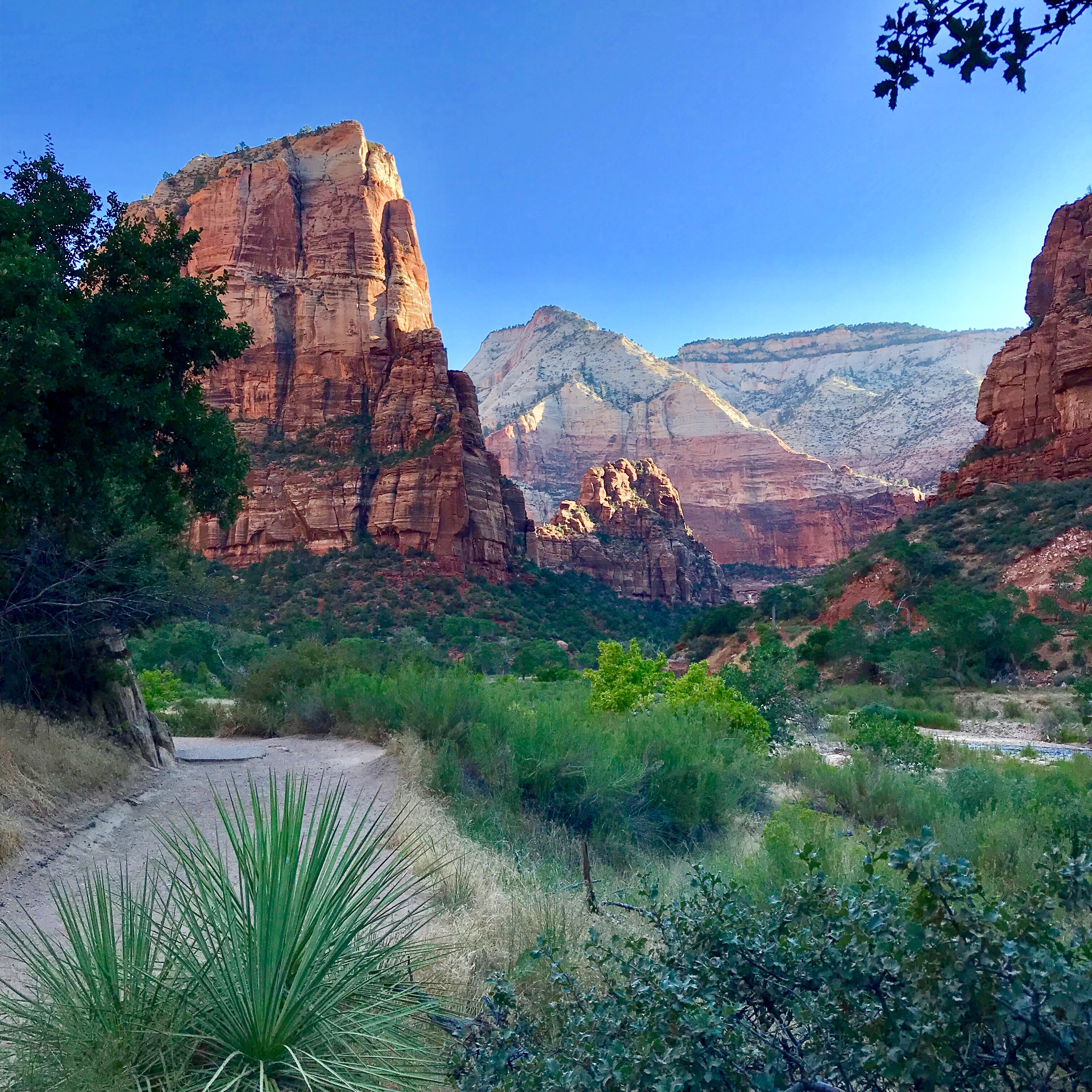
Angels Landing (upper left), Zion

It’s hard to beat Angels Landing hike for its fast and furious ascent up the Moenkopi, Chinle and Navajo layered cliffs. With 1,000 foot sheer drops on both sides and some chain link as the nod to safety, climbers are rewarded with both an exhilarating experience (that takes your breath), and then 320 degree views from the top. Many don’t make it to the top, but a calm and measured pace got our seven and eleven year old boys up, or as they would see it, they got their mum to the top!

The Narrows, Zion

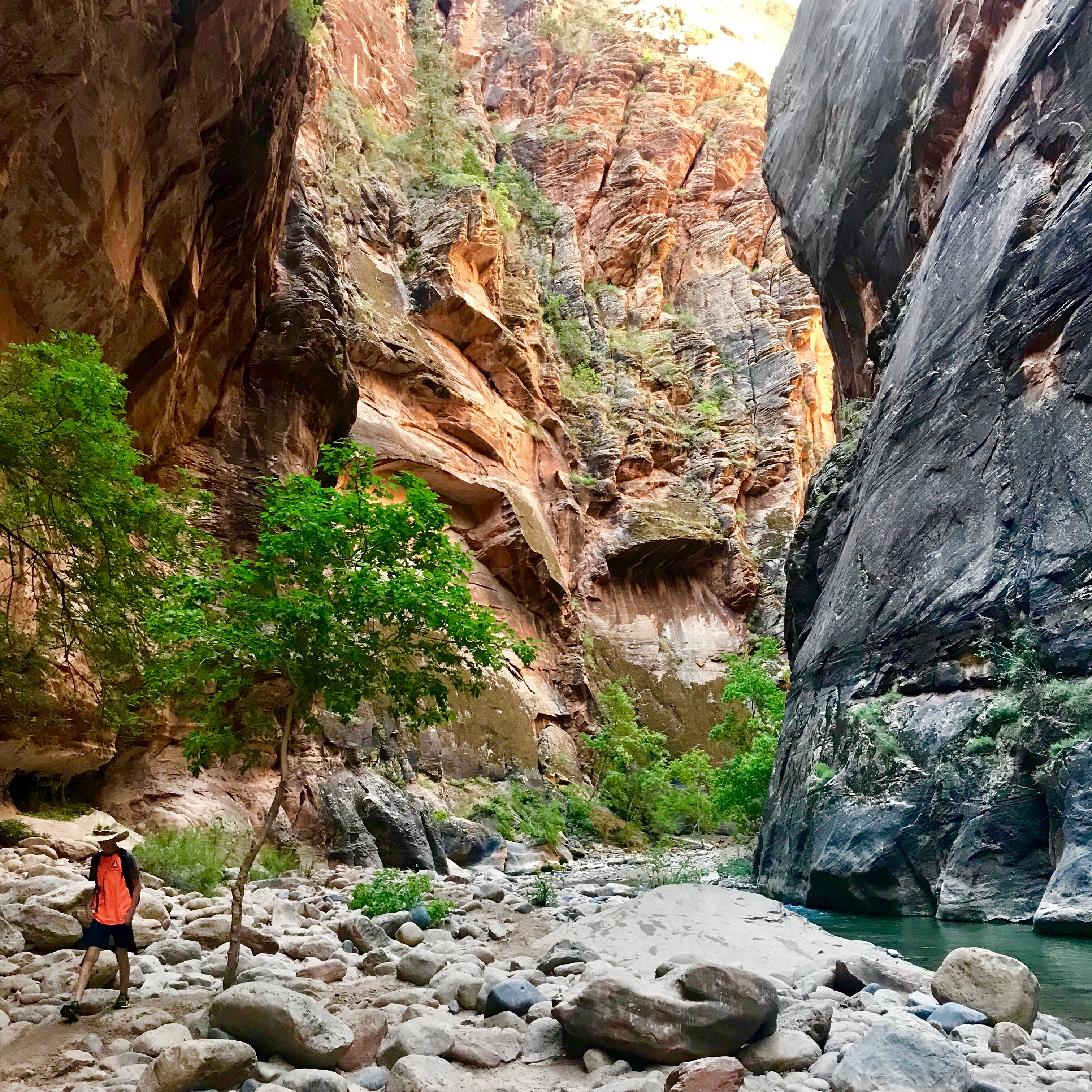
With sheer walls towering over 2,000 feet above, and narrowing to just 40 feet apart in places, The Narrows is a unique canyoning experience. With a careful watch on weather (flash floods are a real danger here), and the abilities of your crew, you can fairly quickly lose yourselves in an adventure. Great to do on a hot day, with the constant plunge in and out of the cool water offsetting the blistering heat of the day.

Capitol Reef

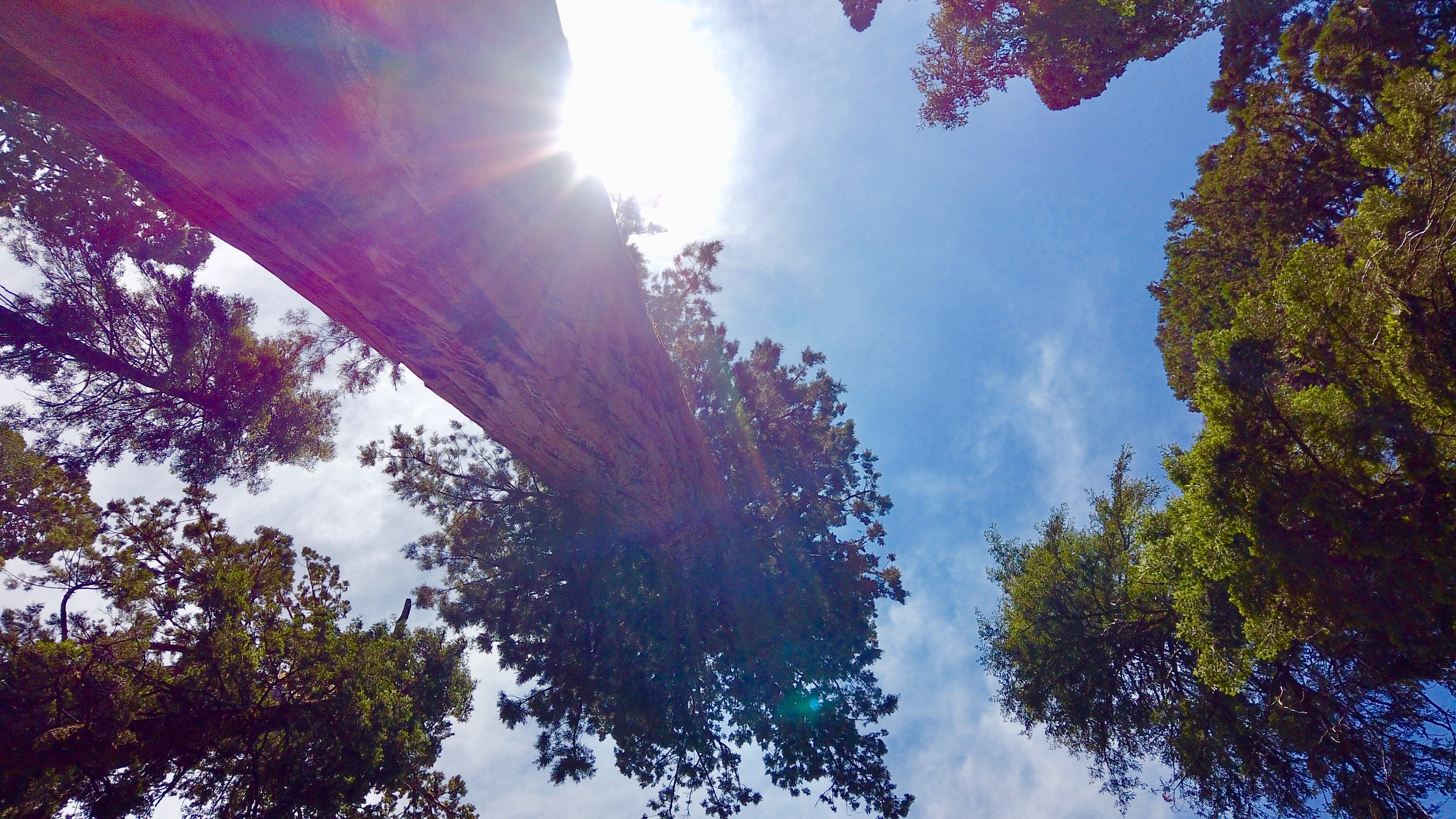
Hickman Bridge, Capitol Reef

Perhaps the most underrated park in the US, Capitol Reef is like the National Park Service releasing a greatest hits album. With everything from arches to spires and domes, there are many great hikes to be had in this vast park. Co-hab Canyon is a treat, as it cuts its high path between the lush, orchard filled valleys of Fruita and the more popular hike to Hickman Arch to the east. You can see why early polygamist Mormons picked this out as a refuge from those less accepting of their version of truth.

First wife entering Co-hab Canyon, Capitol Reef

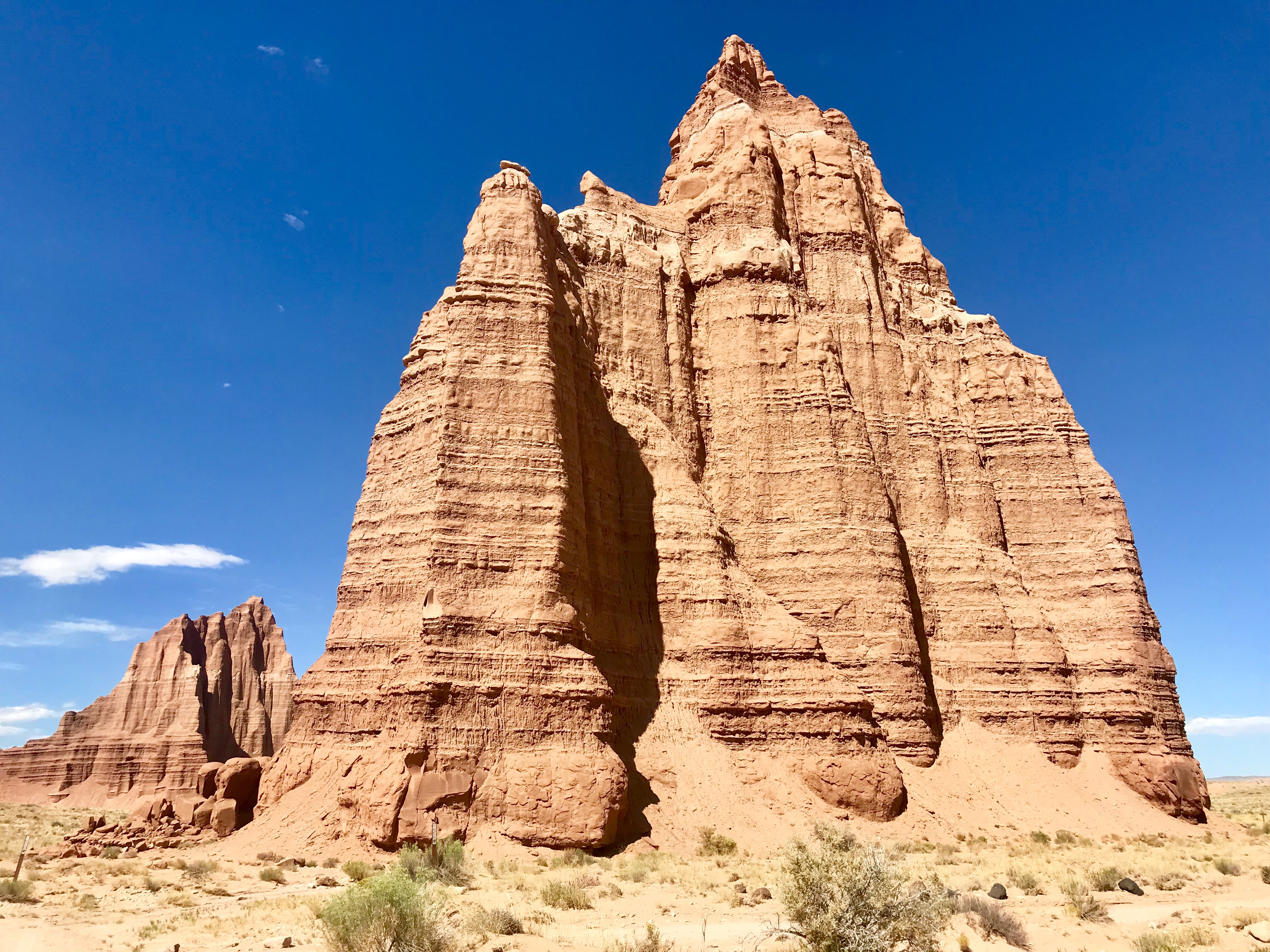
For those with a high clearance vehicle (ideally 4×4) the day long drive around Cathedral Valley is a unique experience. With a wide range of desert landscapes, monoliths, mesa’s and even a giant sinkhole, there are many small side trips to be enjoyed.

Temple of the Moon, Capitol Reef

Canyonlands

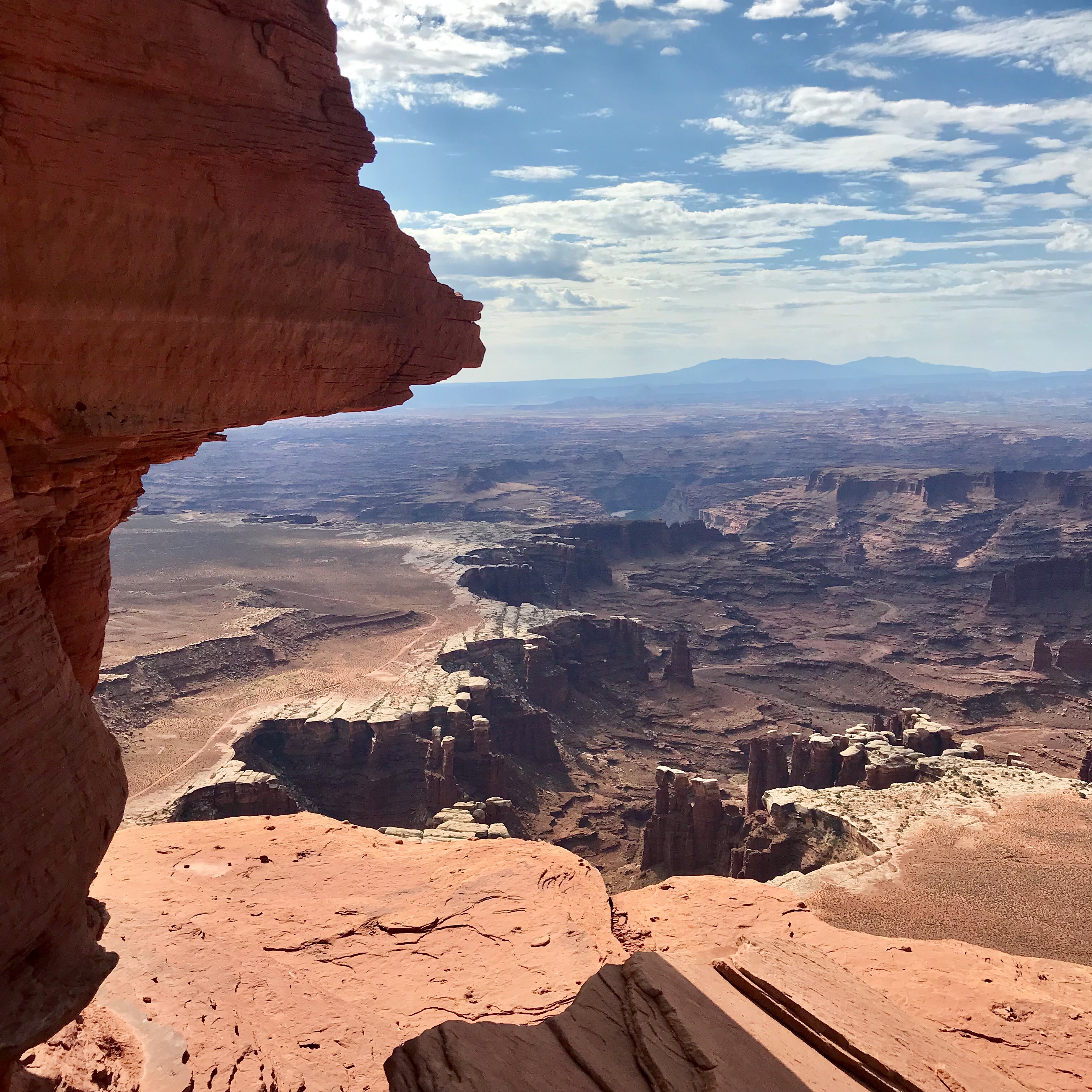
White Rim Overlook, Canyonlands

Whilst we never made it off the high tops of Canyonlands into the depths of the Green River or Colorado River canyons, we did enjoy the many smaller hikes up high in the Island in the Sky zone. White Rim Overlook, Whale Rock and Mesa Arch are all easily accessible within a morning, the afternoons being off limits to us with the rising daily heat.

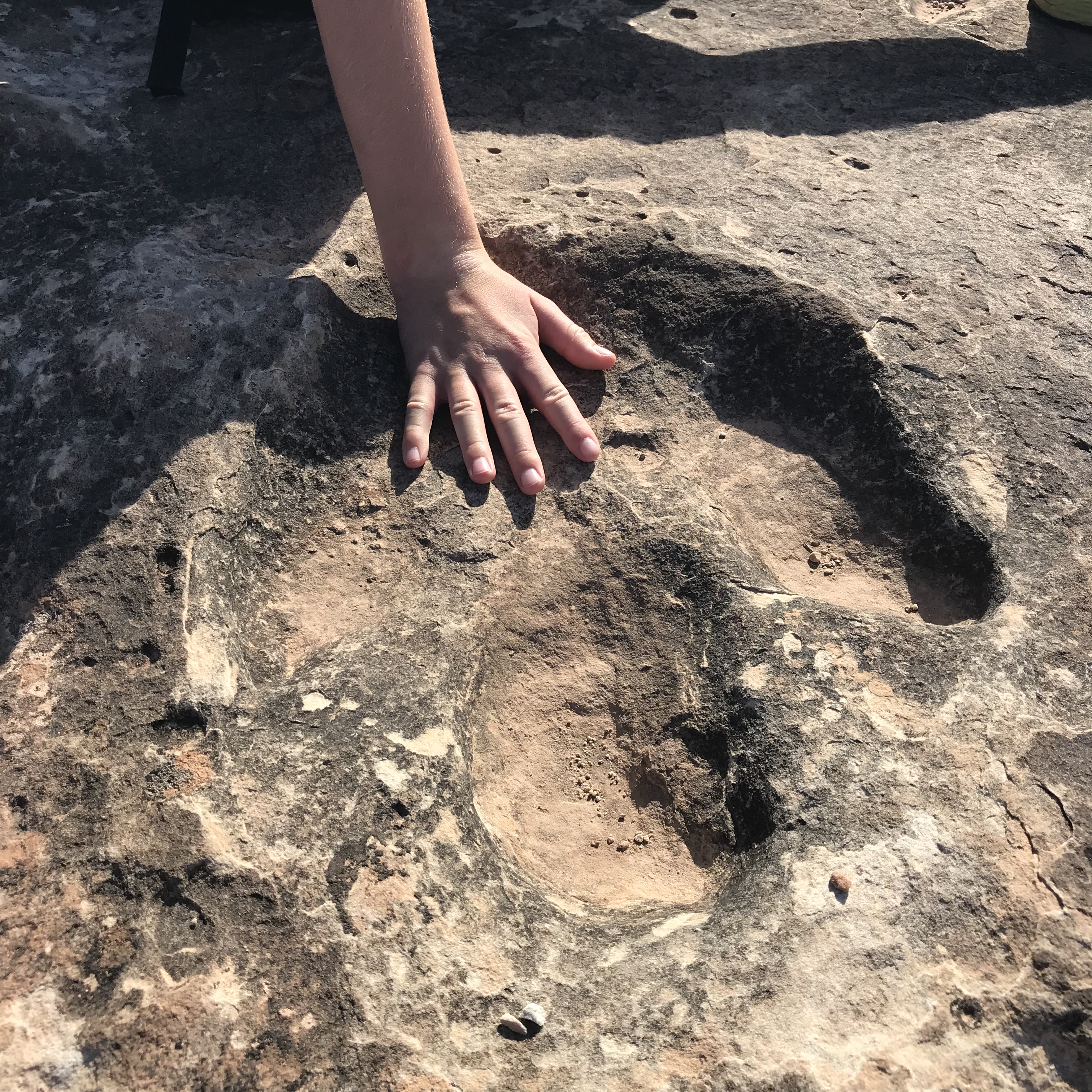
Therapod tracks, Klondike

Outside of the park, there are some unique experiences to be had searching out the 165 million year old Therapod tracks miraculously encased in ancient sea shore mud, along with some fossil trails that take you directly to the exposed remains of Saurapods. With two young boys in the lead, this was a highlight experience.

Arches

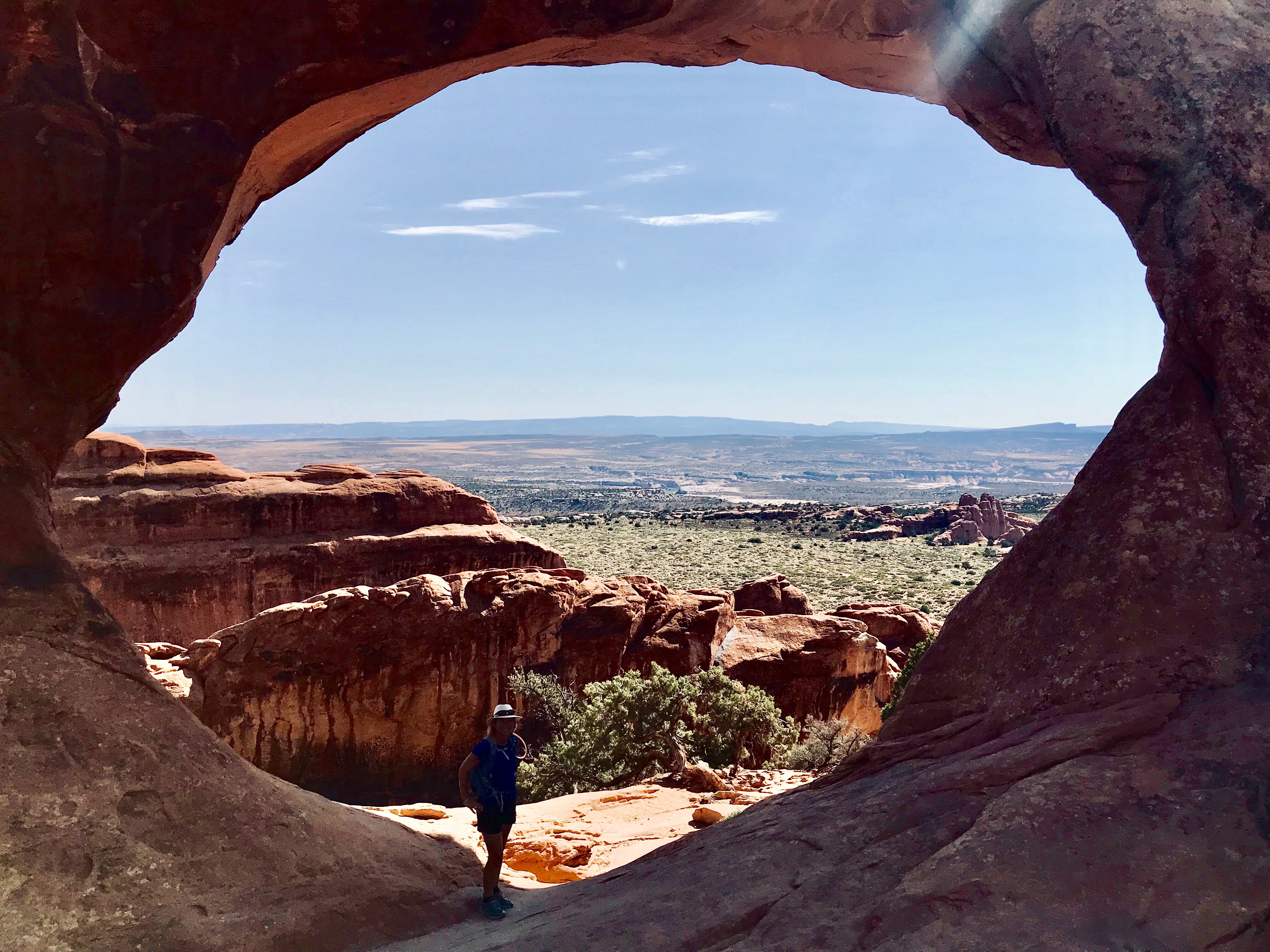
Partition Arch, Arches

Perhaps we were all rocked out and tired from days in the heat, but what we had anticipated as a journey highlight turned out to be a bit “meh!”. Although each is impressive in its own right, the arches of Arches National Park are directly on the itinerary of every other tourist in town and we felt the place was over run and perhaps overrated. It’s still worth the visit, but we have had many more dramatic and more private experiences in lesser rated parks.

With Mesa Verde, Monument Valley and the ubiquitous Grand Canyon yet to be explored, we are far from completing our escapades down the Grand Staircase, but one thing is for certain, we are keeping a close eye out for ACME powered coyotes in hot pursuit of the Accelerati Incredibilus!

“MEEP MEEP!!!”

Lights on, or lights off?

Okay, so before we go any further, this is not an R-rated episode! As you spend more and more time surrounded by nature, you start to notice more keenly how un-natural cities really are. The contrasts can be sudden, stark and glaring. No more so for us, than the almost brutal swing from the silence of the Sequoias to the lights of Las Vegas.

Sequoias

Winding roads weave tightly up from the valley floor, whose low foliage and scrublands briefly leave you wondering what the guidebooks were talking about. Where are those towering gods of bark and leaf that we have been anticipating? Suddenly, you enter the climatic sweet spot that has spawned these gargantuan beings. Rising impossibly from the forest floor are the massive pillars of trunks that defy belief to keep their breadth all the way to the vaulted cathedral canopies soaring hundreds of feet above. Whilst not the tallest trees, nor the widest, the Sequoias still are the undisputed heavyweight champions of the world when it comes to mass.

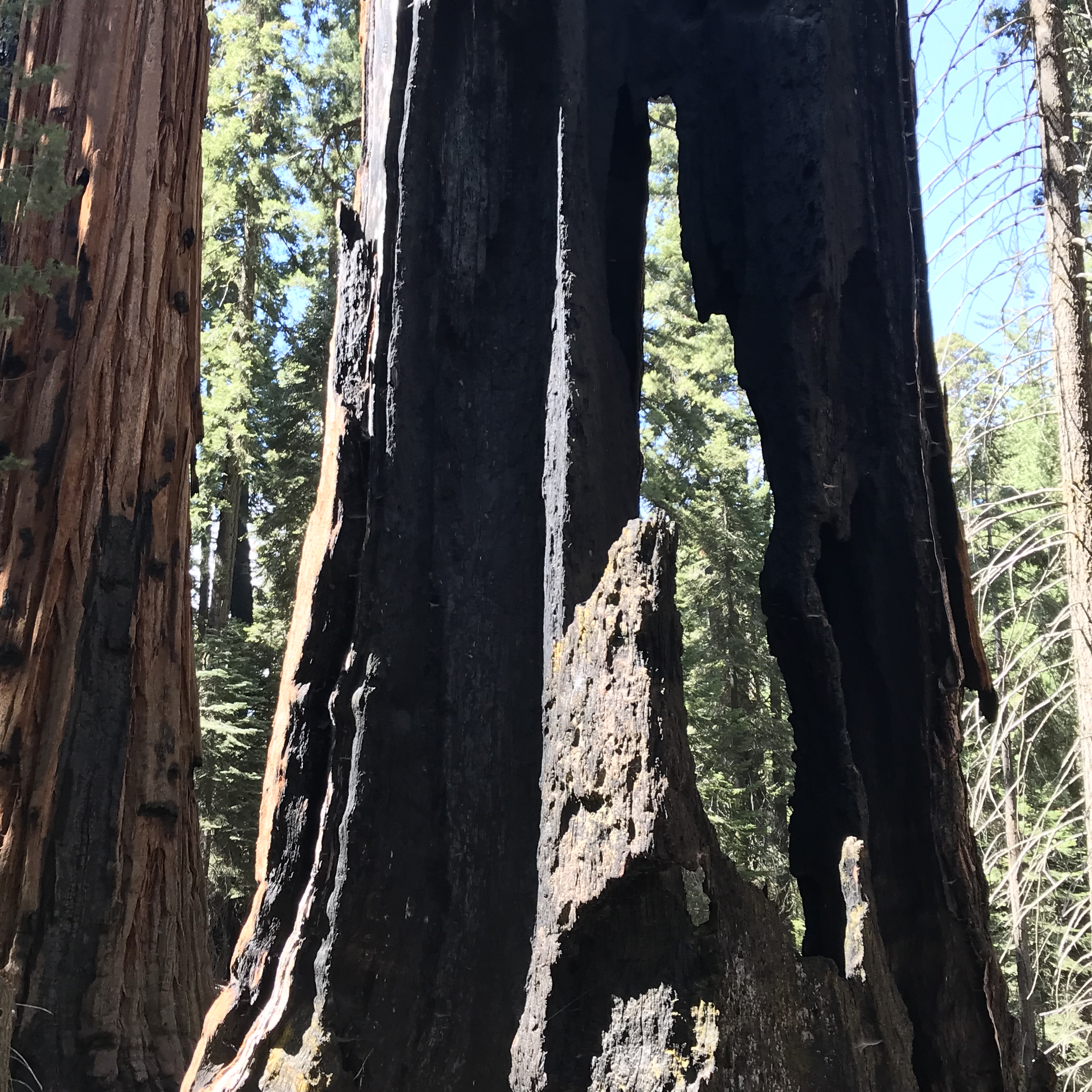
As old as time, these skyscraping structures show enormous resilience to survive millenia of attack from insects, animals and the elements. Their volatile relationship with fire is a constant dance with danger and reward; the hot flames devouring competition and opening the small cones that they drop to the floor. Sequoias show an ability to heal over scars, in time completely re-cladding their exteriors where the flames have burned too deep. Some still live with enormous caverns burned out, their branches and leaves waving defiantly above.

This Sequoia is still very much alive!

Time melts quickly away as you walk amongst these beautiful behemoths, feeling small and insignificant in their speckled shadows. The crowds are notably absent, and an abundance of tracks, trails and meadows to explore means there is plenty of time to relax, unwind and recharge,

That’s fortuitous, as after a swift scene change, like a set change on a Broadway show, we are suddenly in the complete antithesis of the Sequoias…

VEGAS!!

After driving through the alien blast furnace that is Death Valley, utterly devoid of foliage but still bursting with life and other-worldly views, Las Vegas hits you full in the face like a cream pie thrown from a very large and demented clown.

Although this is the complete inverse of life in the wilderness, it has a weird beauty and mesmerising attraction of its own. Like moths to flame, we join the throngs to see the crazy human circus that is Vegas. Everything you have seen, heard or thought about sin city is true, and then some. A seething mass of partying people fill every nook and cranny, wrestling with luck and fate to see if the endless pokie machines will lend their divine benevolence their way.

The boys eyes are wide as they take in the risqué street performers, each trying to best their rivals and ride to the very edge of creatively crass. Half naked Gene Simmons doppelgängers, laughing “cops” with whips, and other weirdly wonderful characters jostle with the Vegas angels to compete for a quick buck (or ten) for a photo op with gullible bachelors, bachelorettes, newlyweds and tourists alike.

Indoors or out, the lights blinks and blaze in a constant whirl of movement and colour. Lamborghini’s and Ferrari’s battle it out for the best of Italian prestige on the wide boulevards; a scene to be seen in. Waterfalls and volcanoes dance to choreographed scores. This is where old rockers never die – they just semi-retire to Vegas to see out their days playing their best glory days tunes to the ready-made party thronging the streets.

Fremont Street bustles and gyrates under the largest screen on the planet. The beer is cheap and plentiful, with dozens of Uber’s or Lyft’s ready to whisk you away when the night, or the contents of your wallet, are done.

Although a fun and highly entertaining diversion from weeks of quiet in the mountains and forests, there’s no getting away from the fact that the cities like Vegas take your energy (and cash), and the great outdoors gives you energy, and a free 24/7 show of its own.

We cast our minds back to the nights spent lying under the pitch black night skies of the Sequoias; watching the universe whirl above, with the Milky Way as bright as any Vegas light, and shooting stars providing more reward than any casino can provide.

Thanks Vegas, it’s been fun, but it’s time for us to head to hills again.

Junior Ranger Report Team – #2

Part two of the boys’ version of events as we travel around the western USA.

Ranger Scott

Scotty & Olivia

When we arrived in Boise we went to see our cousins Bernie & Dale. They have two dogs. There’s a cute little dog named Olivia, and a cute medium sized, tan dog named Sandy. Olivia loves me, but Sandy not so much. When I pick Olivia up she usually falls asleep on my lap, but this time she kicked me in the nuts – “OUCH!”.

When we arrived at the John Day Fossil Beds campsite we got set up and then went for a loooooooooooooong walk. The walk was 5km! After the walk we went to a visitor center to get our Junior Ranger booklets. When we went back to the campsite me and Josh tried to catch some Crawdaddy’s in a river.

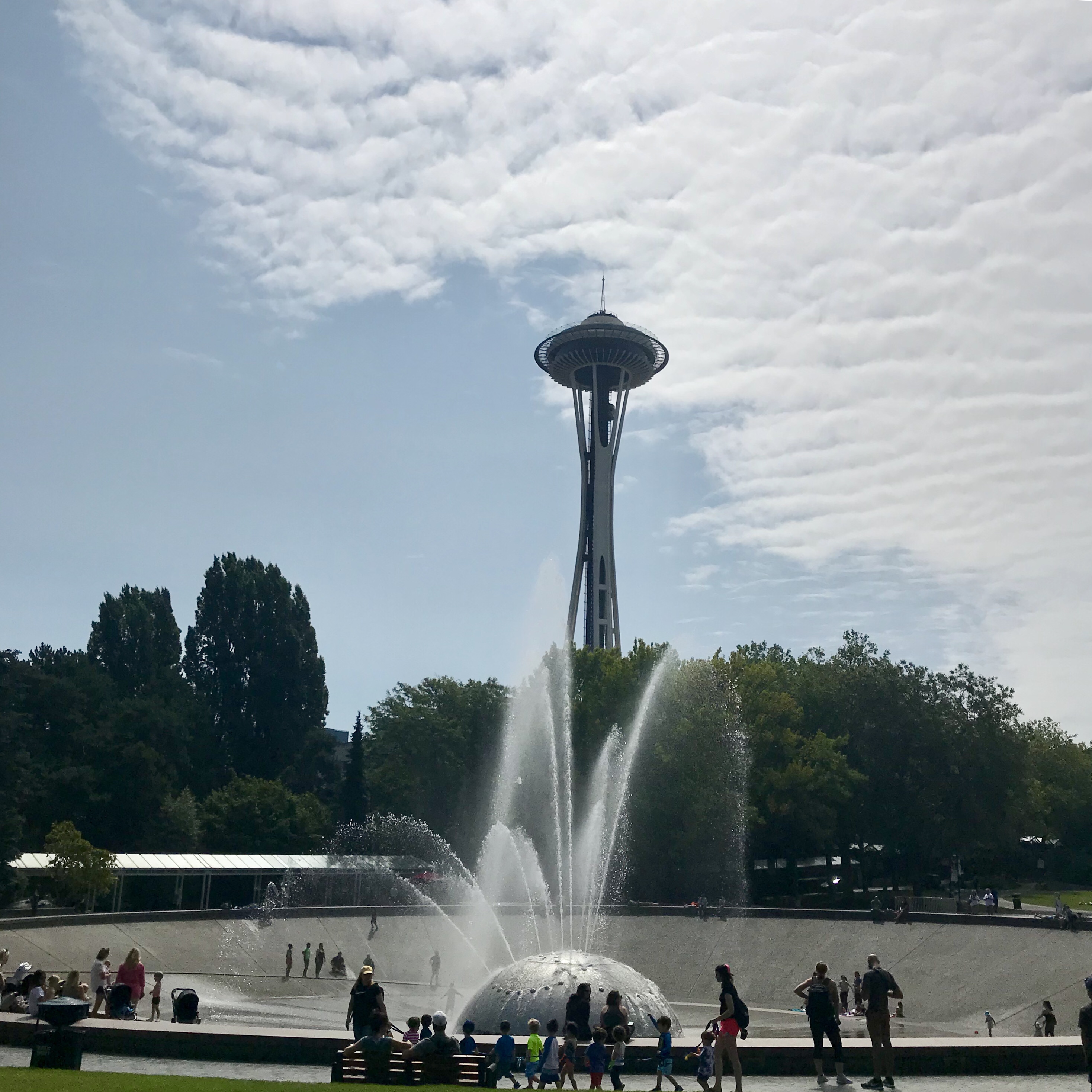
At Mt Hood, we went to a restaurant and mum and dad were given a parking ticket because we were 6 minutes late. After that we went to the Timberline Lodge. Then, we drove up Mt. St. Helens. Isn’t it a bit concerning that my parents are taking me to lots of places with volcanoes?! Then we went to Seattle and we played in a big fountain. We went on a monorail to finally a decent playground. After that we went back to the fountain and got soaked.

Seattle Space Needle & fountain

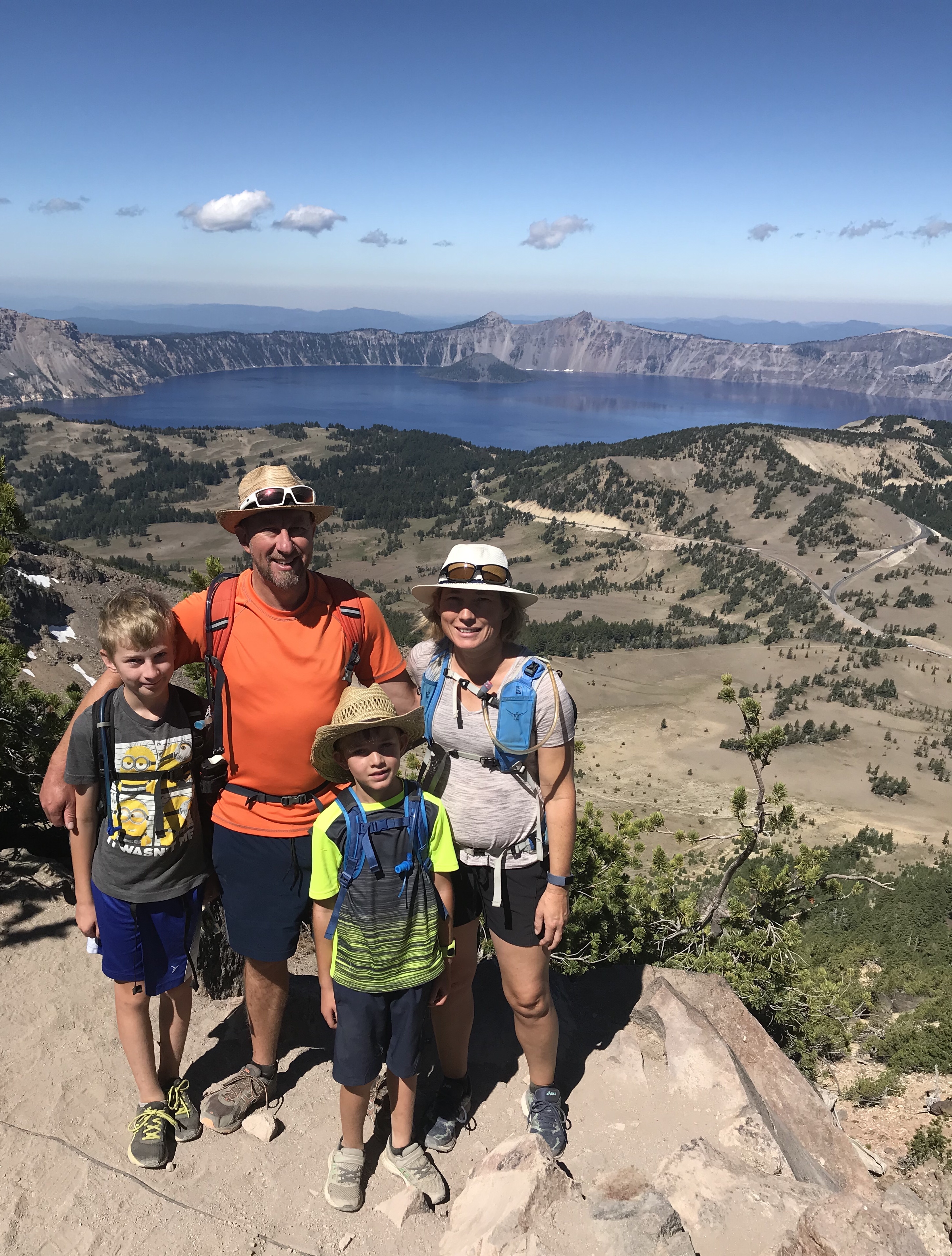
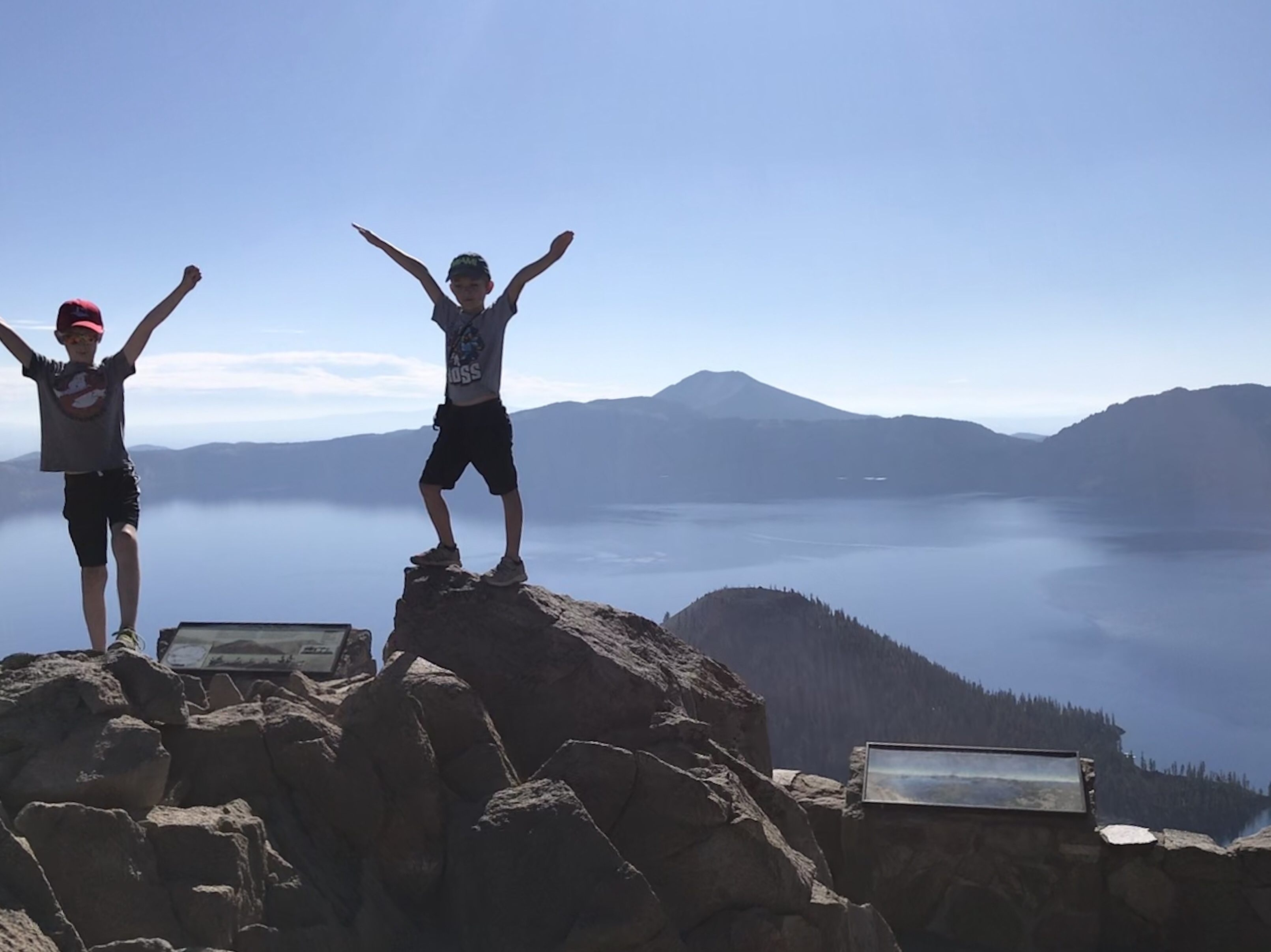
After that we went to Mt Baker. Me and Josh made two tipis so Fluppy & Giraffe could have their first night away from the kids. Then we went to a lake and all got in using a rope swing – “SPLASH!”. After Mt Baker we went to Crater Lake and climbed Mt Scott – it was 8 km!! When we got back to the campground we had some sleep – “zzzzzzzzz”.

Us all on top of my mountain- Mt Scott!

After that we went to Mt Shasta and as usual went to the campground and got set up – “sigh!”. We went to a river and went swimming and I nearly froze, it was cold – “brrrrr!”. Then we went back to the camper and had Cream Soda – “mmmmm, yum!”. Then we went to San Francisco.

We went on the Golden Gate Bridge (“ooh, cool gold!”), which actually isn’t gold (“What, no gold?!”). When we got off the bridge we went to find a parking space, and to go to Starbucks for lunch and the bathroom. After that we went on a cable car. I liked hanging off the side of the cable car – “wahoo!”.

Ranger Josh

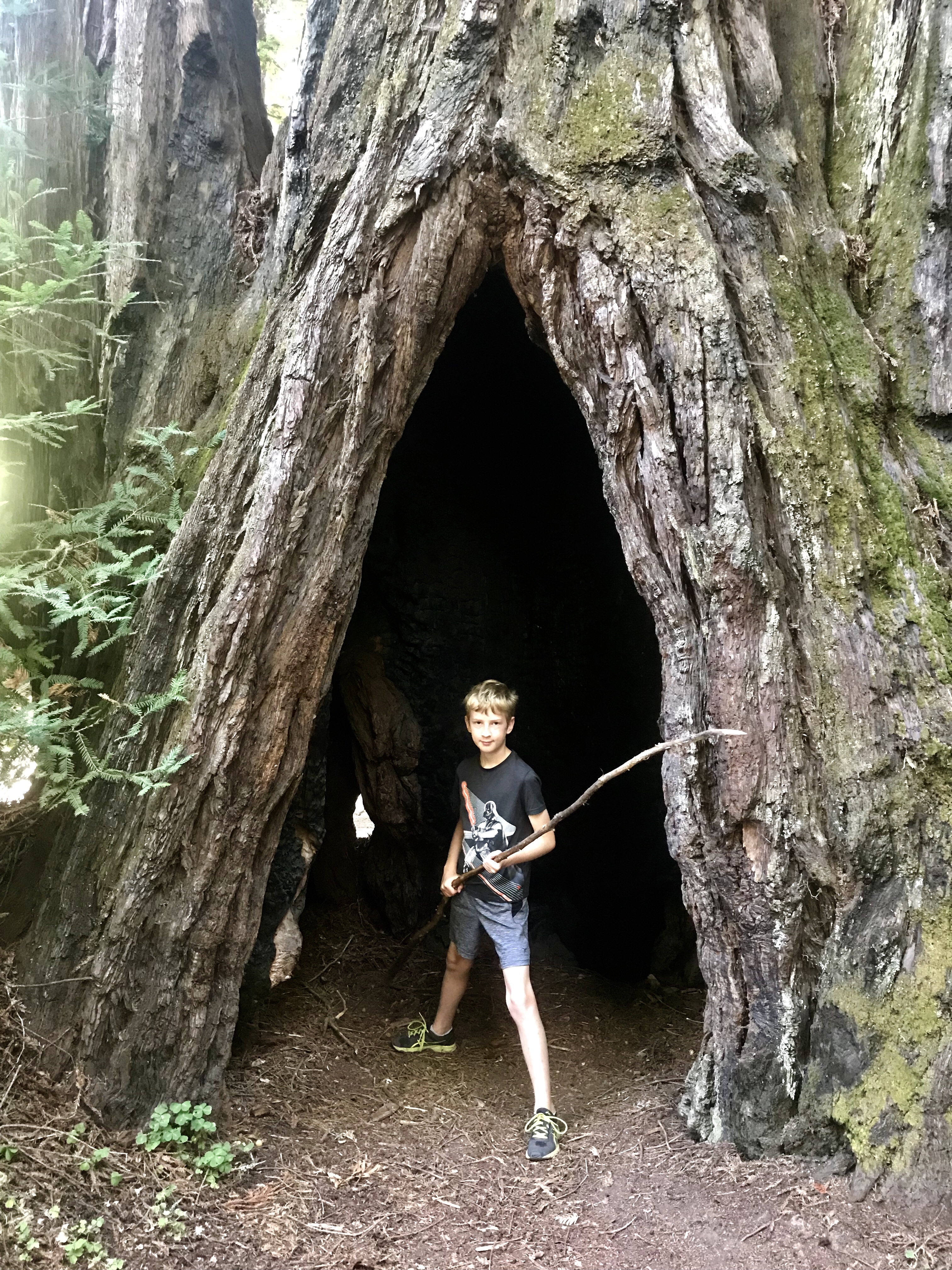
Josh defending his Giant Redwood fort

John Day Fossil Beds & Seattle

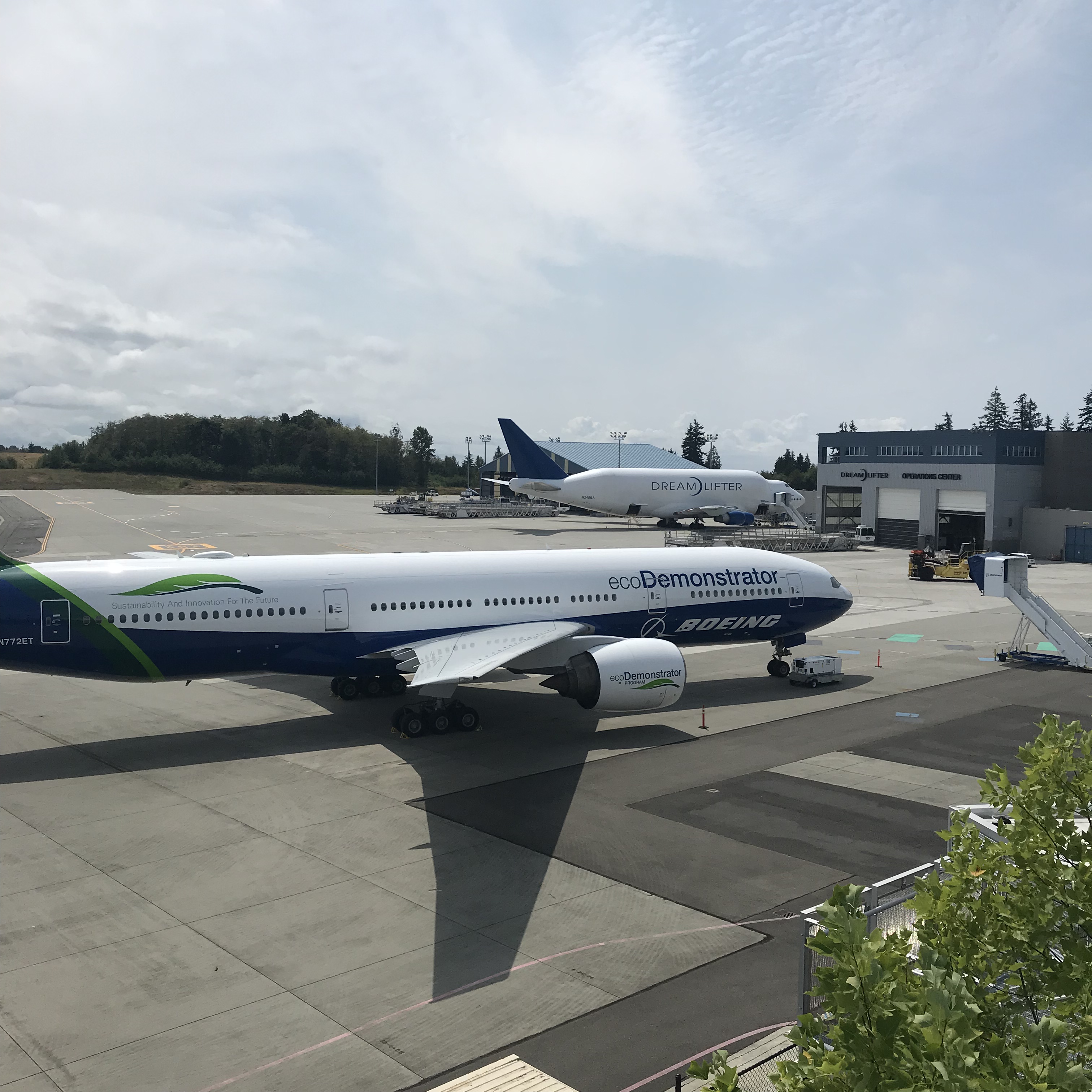
We spent a few days in Boise and ran up a big sand hill. Then we went to the John Day Fossil Beds and became junior rangers. Then we went to the visitors center to get some info about the place and the oldest fossils are 80 million years old! After we were done with the visitors center we went on a trail that goes in an area that looks like a mini Badlands. Then we drove off to Seattle. At Seattle we went on the monorail train to the Seattle Center and saw the Space Needle skyscraper and a massive fountain. Then we went to a playground. Seattle has a big fish market where they throw fish that we went to. Who says fish can’t fly! The next day we went on a Boeing plane factory tour and saw some planes being made. It is the largest building in the world! Boeing made the Dream Lifter, the largest cargo plane in the world, it is used to carry parts of other planes! 

The Dreamlifter with an eco-fuel demonstrator in the foreground

Crater Lake

When we arrived at Crater Lake we went to an overlook of Crater Lake and it has a volcano island. Then we went for a swim in the campground river and I don’t know what is stopping that water from freezing! Imagine what it’s like staying inside a fridge for an hour, now times that by a thousand. Now you’re starting to get an idea of how cold that water is. Then we went to climb Mount Scott (much to Scott’s enjoyment). At the top we got a really good view of Crater Lake. We decided to have lunch at the top and we got harrassed by some ground squirrels for our sandwiches again! Here’s what ground squirrels do: meet new and interesting people, steal their sandwiches and generally have a good time. We climbed down the mountain to the visitors center to do the Junior Rangers booklets and get some information about the place. Crater lake is 1,900 ft deep and it is made of melted snow.

San Francisc-oh-no!

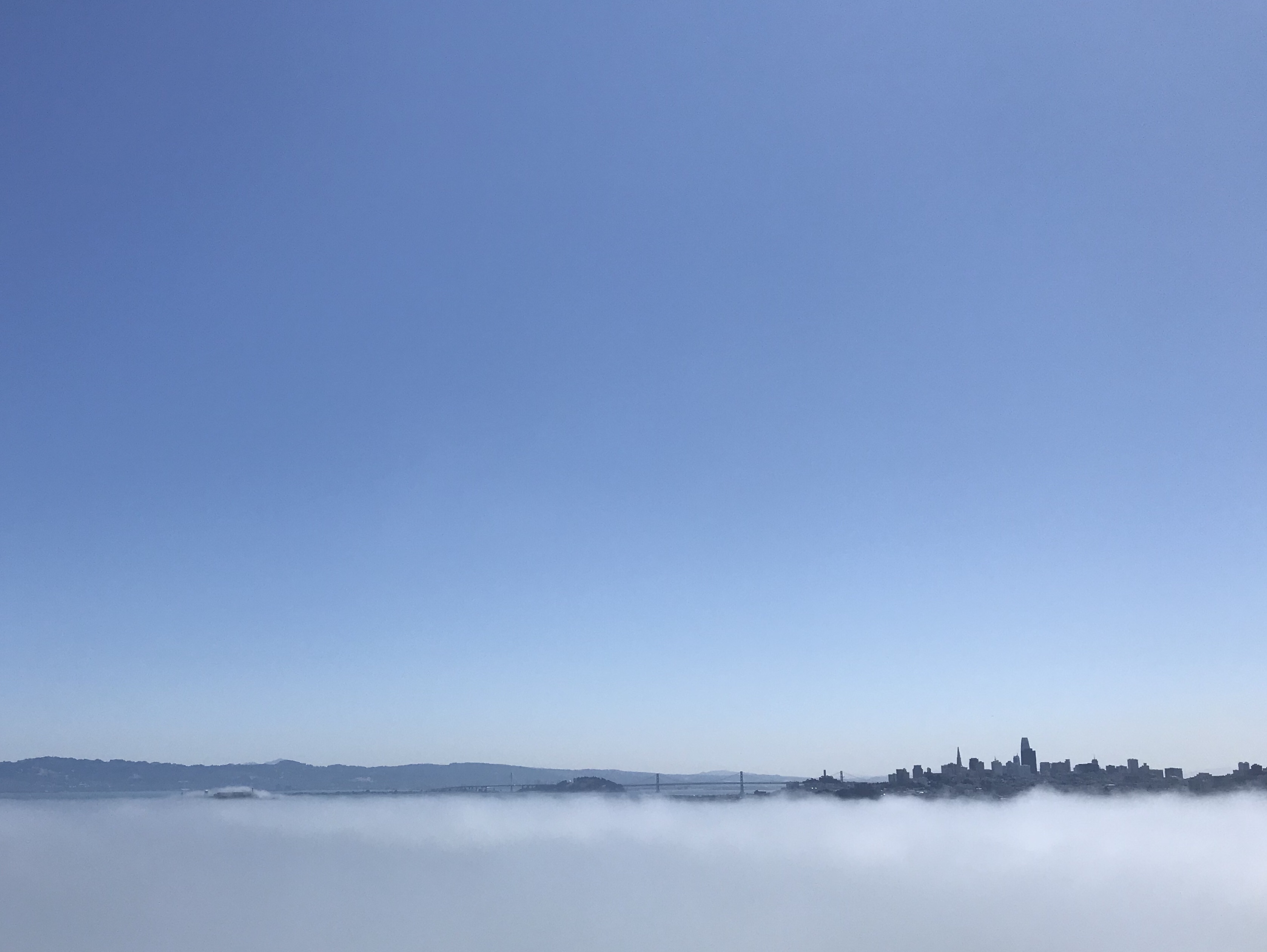
Welcome to pigeonland. This place has about five hundred million pigeons around the city eating scraps of food everywhere!!! And FALSE ADVERTISING ALERT! We went on the Golden Gate Bridge which was not actually gold! It was covered in sea fog as we drove through and we saw glimpses of Alcatraz island, the prison. Alcatraz has had only one successful jailbreak out of fourteen attempts to escape. The roads in San Francisco are so steep that we could barely tow the camper through them! Then we went on the old cable car through town. I liked holding on to the poles while standing up and leaning out into the street.  The dock has this big water sculpture with lots of big square pipes that we ran through. That’s the end of our San Fran adventure. Goodbye from the Junior Ranger Report Team.

Alcatraz & San Francisco through the morning mist

Lessons from Uzumati

“Any fool can destroy trees, they cannot run away.” – John Muir.

As we write this, the Amazon Rainforest is burning at unprecedented rates, a victim of insatiable appetites for burgers and brisket. “Developed” nations cry out in indignation for Brazil to halt the genus-cide, but the truth is that most of these nations have already allowed the reckless plunder of their own natural habitats in their quest for economic gain and social betterment.

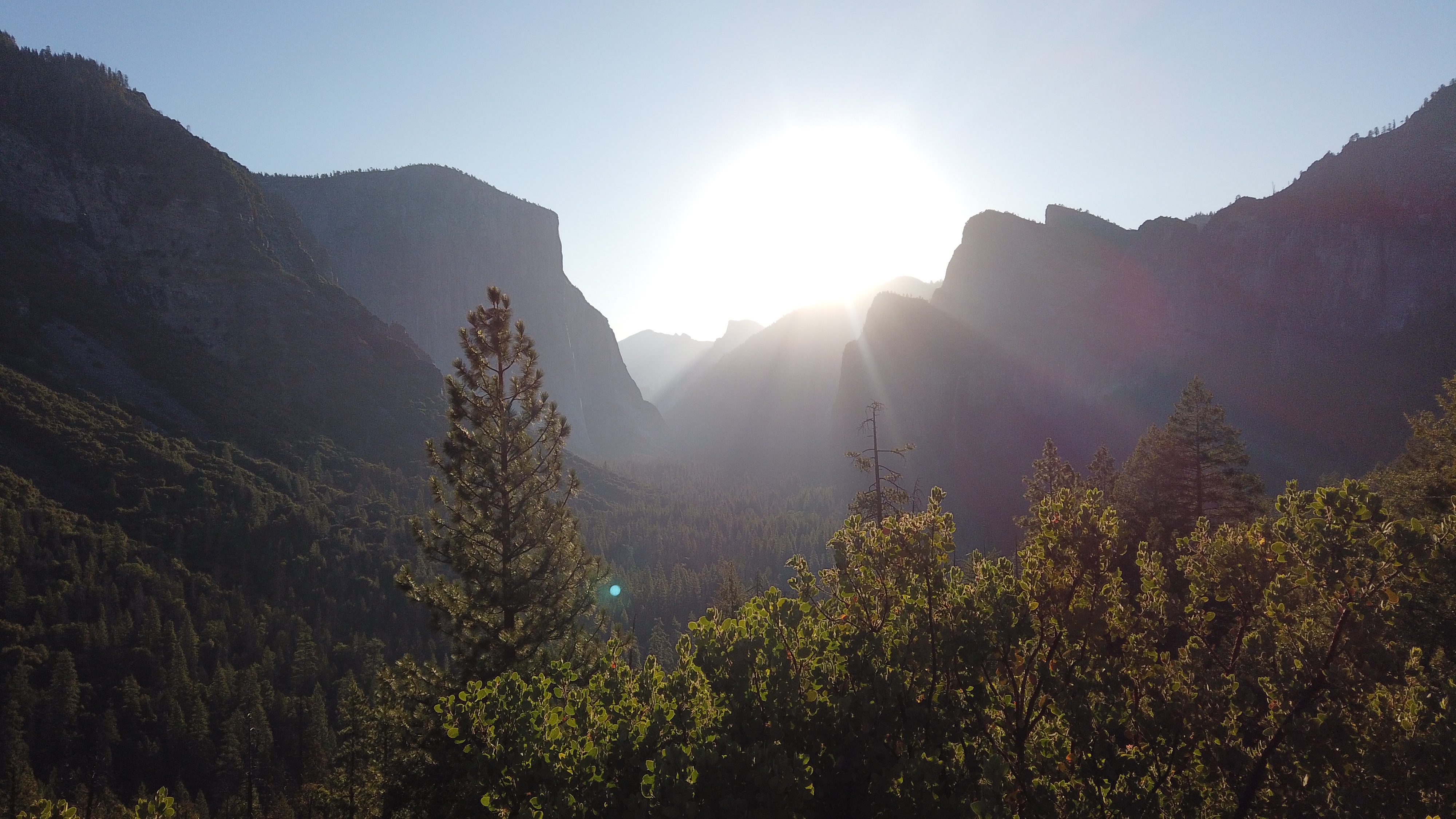
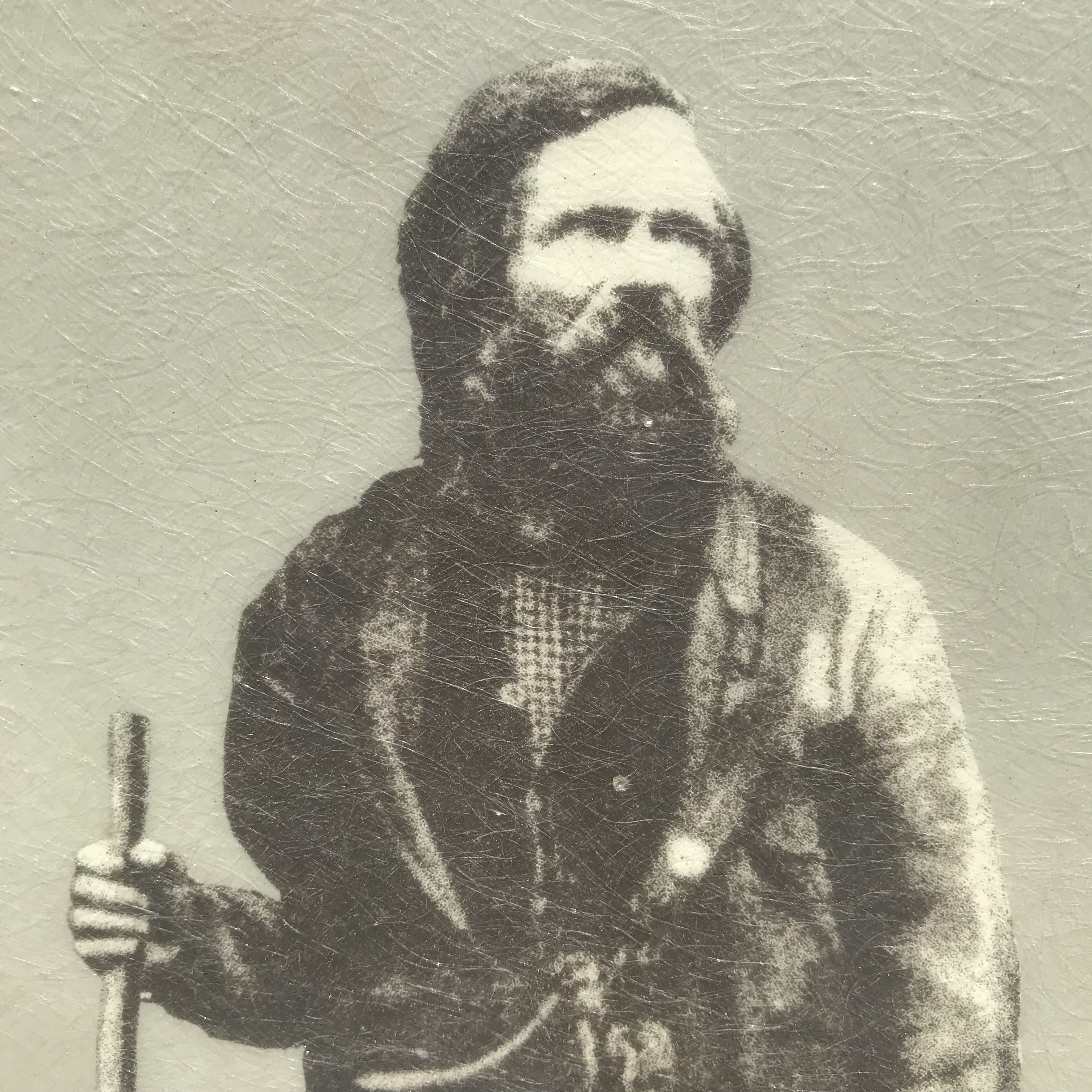
The story of Yosemite (the phonetic pronunciation of its original name, Uzumati) and many national parks follows a common theme; a beautiful natural resource of historical significance for indigenous people is discovered by colonists, who raid its treasures until they are very nearly depleted. Thankfully the world also has souls like Galen Clark, John Muir, and later Charles Young, of the Buffalo Soldiers that Bob Marley brought to fame. These amateur naturalists and conservation warriors wrote passionately about the other values of natural wonder; a place to rest and reflect, to be awed and inspired … and to leave the plants and animals the hell alone!

Galen Clark. 1st Superintendent of Yosemite National Park

Luckily for the US, these quiet voices were heard above the blasts of dynamite and the fall of axes, and treasures like Yosemite were in time protected and allowed to slowly return to their former grandeur. Uzumati means “grizzly bear” which indicates that this park has some way to go to fully be restored, as only black bears roam these valleys and mountains, but what a place to roam!

Towering walls of granite thrust straight up from the rich meadows below, dwarfing all and creating a weird distortion of perspective. The polished round domes, sculpted by glaciers long lost, can one minute look tiny, and the next loom large and imposing as you round a new corner of a trail. “Beauty beyond thought everywhere, beneath, above, made and being made forever” wrote Muir as he walked these cathedrals of stone, and it is easy to lose yourself in these thoughts as you explore Yosemite today.

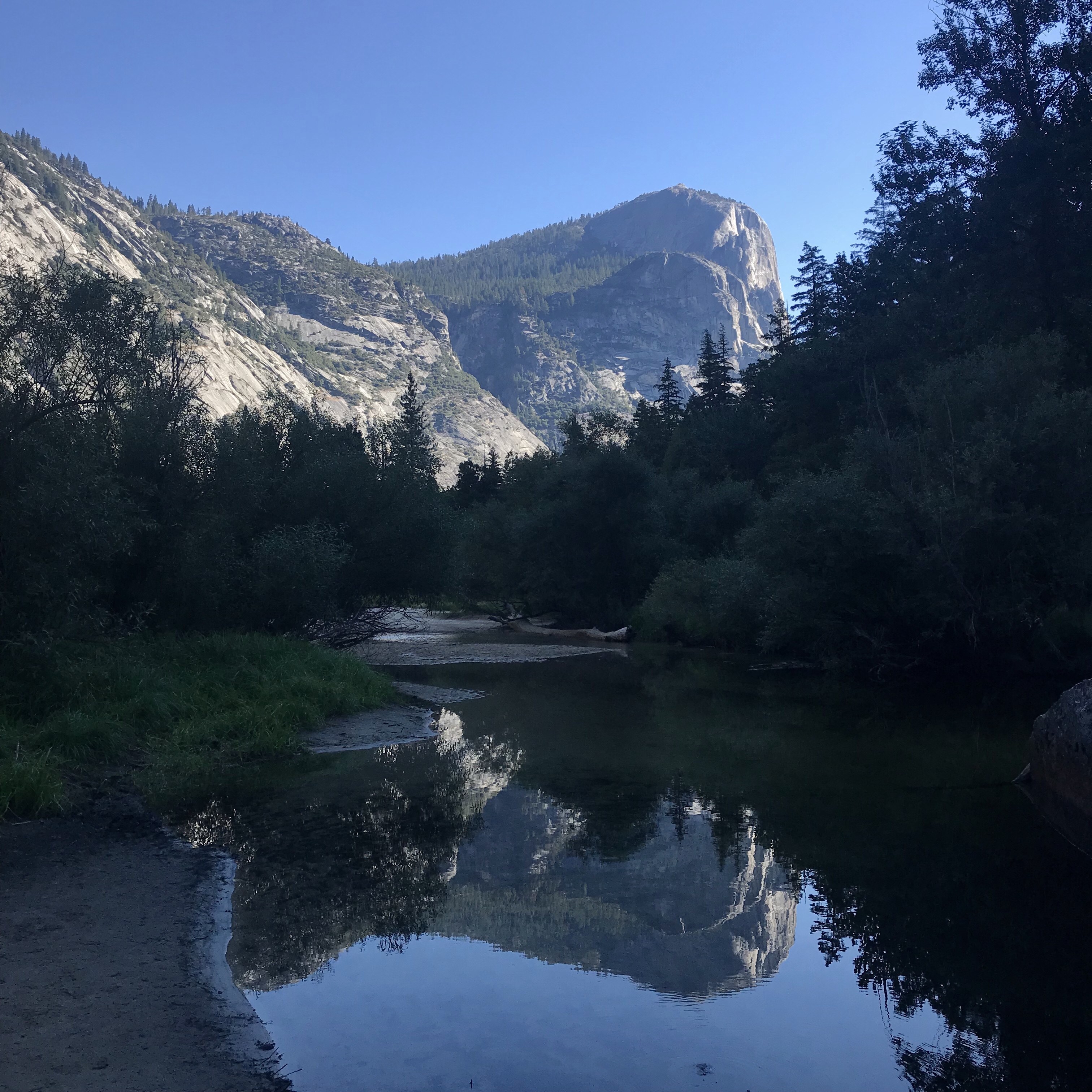
Mirror Lake

In the valley, head straight to Half Dome at first light, taking the lower valley floor trail. You will get several hours of quiet contemplation before you encounter the selfie crowds at the main hotspots. A swim in the cool rivers under the tumbling waterfalls will revive you as the heat of the day builds up. In all, it’s a 13 mile hike around the valley floor, but you can take the Sardine Express (free shuttles) to jump from point to point if you have little legs in tow like we do.

Luken Lake, High Sierras

Although the big hitters like El Capitan, Half Dome and Bridelveil are impressive, make time to head up to the high Sierras as well. Here you will find a rich diversity of landscapes and habitats, along with spectacular views down into the valley itself. Soak up the views, keep yourselfies out of the photos (you really are spoiling the view!) and leave nothing behind but the sound of your footsteps. It’s the finest tribute you can leave to this special space.

El Capitan